TYPE DESIGN INFORMATION PAGE last updated on Wed May 6 15:42:56 EDT 2026
FONT RECOGNITION VIA FONT MOOSE

|
|
|
|
|
Type design in Kazakhstan | ||
|
|
|
|
SWITCH TO INDEX FILE
Artist and illustrator in Kazakhstan. Specializing in decorative caps typefaces, he created Isometric (2015, 3d caps), Funny Cartoon (2015), Mechanical (2015), Headline Serif (2015), Funny Summer (2015), Cartoon Robot (2015), Cartoon Colorful Robot (2015), and Headline Bold Serif (2015). In 2016, he designed the vector format typeface Aweseome Script. [Google] [More] ⦿ | |
Alexandr Galuzin
| |
Alexandr Galuzin (was: Tangramus)
|
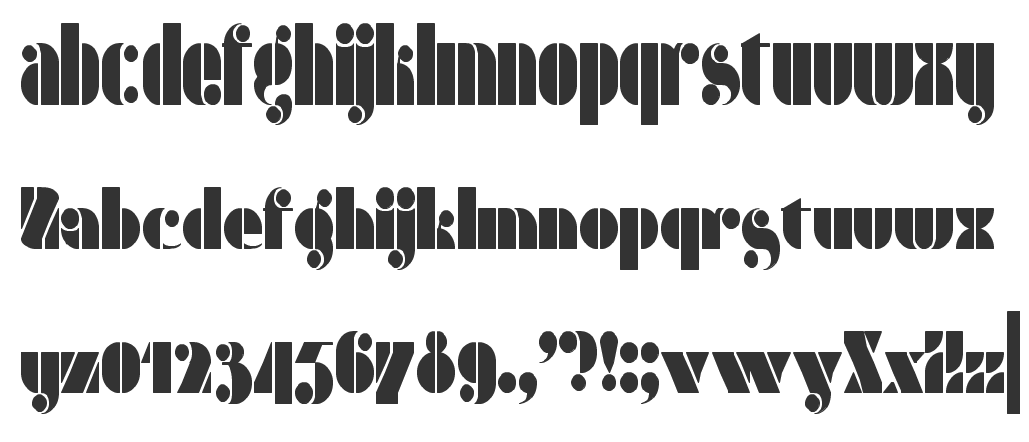
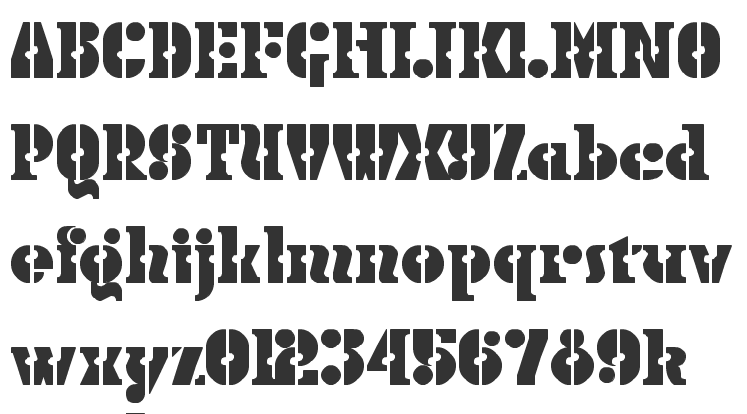
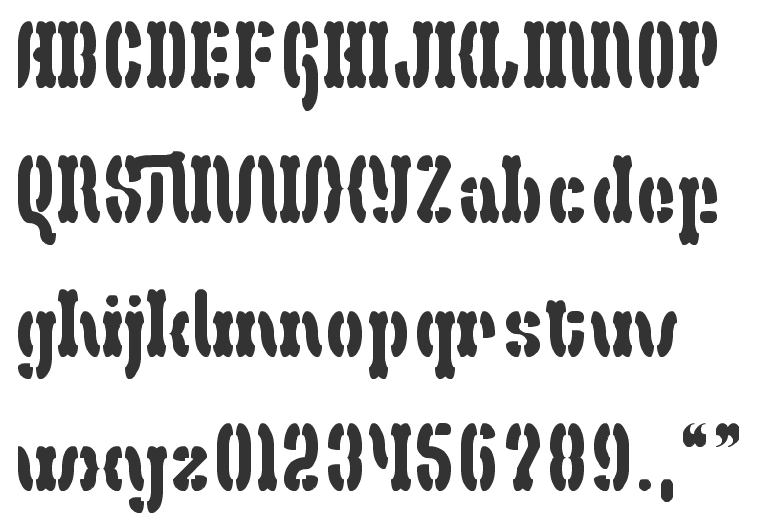
In 2015, he set up the commercial type foundry Alexandr Galuzin. His first commercial typeface is Golovolomka (a modern blackletter). In 2017, he designed the fat stenci typeface Growling. Typefaces from 2020: AG Bambook (a condensed sans family). [Google] [MyFonts] [More] ⦿ |
KZArial is a Kazakhstan version of Monotype's Arial, generated by Andrey Karchin for the Izet Company. [Google] [More] ⦿ | |
Haifa, Israel-based designer of the Latin display typeface Arlekin002 (2012). Anton was born in Alma-Ata, Kazakhstan in 1982. He graduated from Academy of Design Wizo Haifa. [Google] [More] ⦿ | |
Architaraz Type (or: Kassymkulov Design)
|
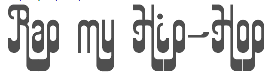
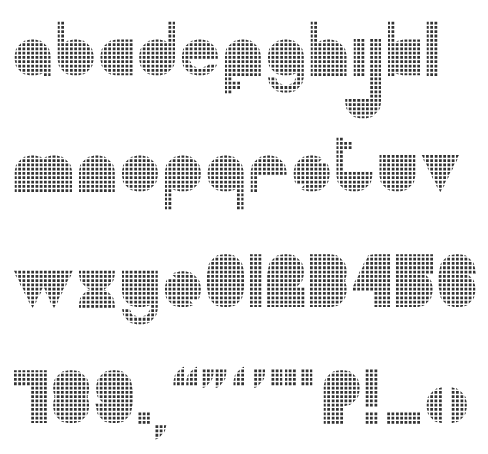
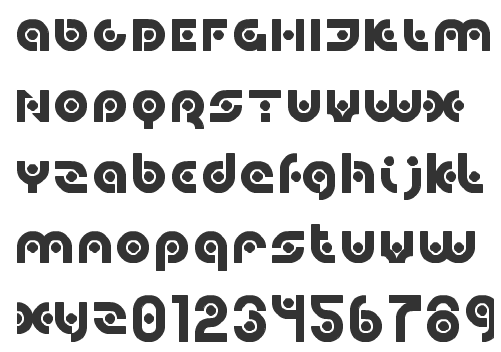
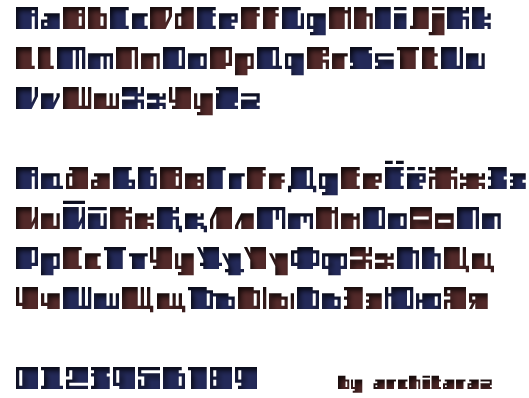
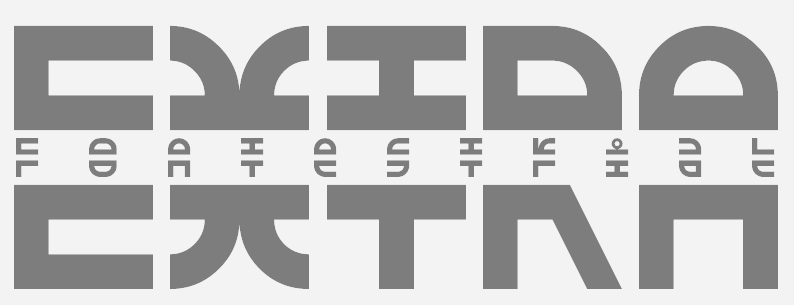
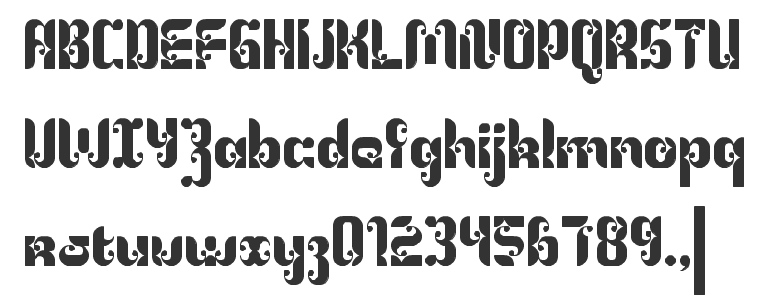
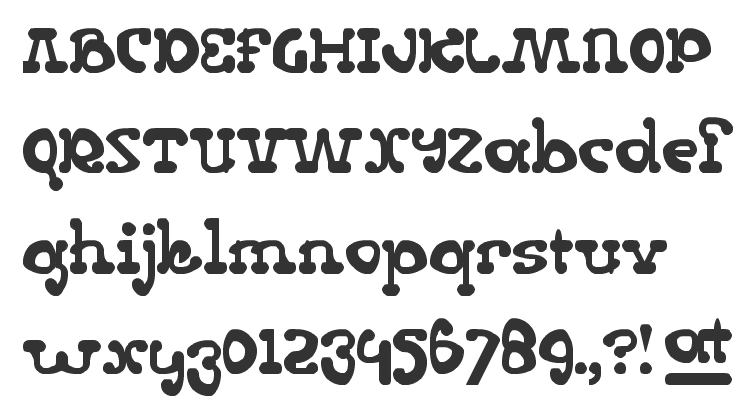
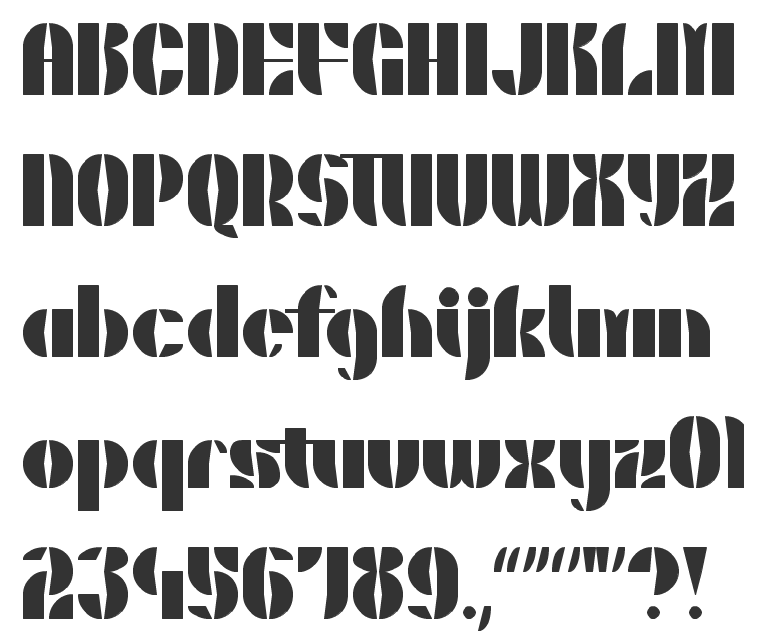
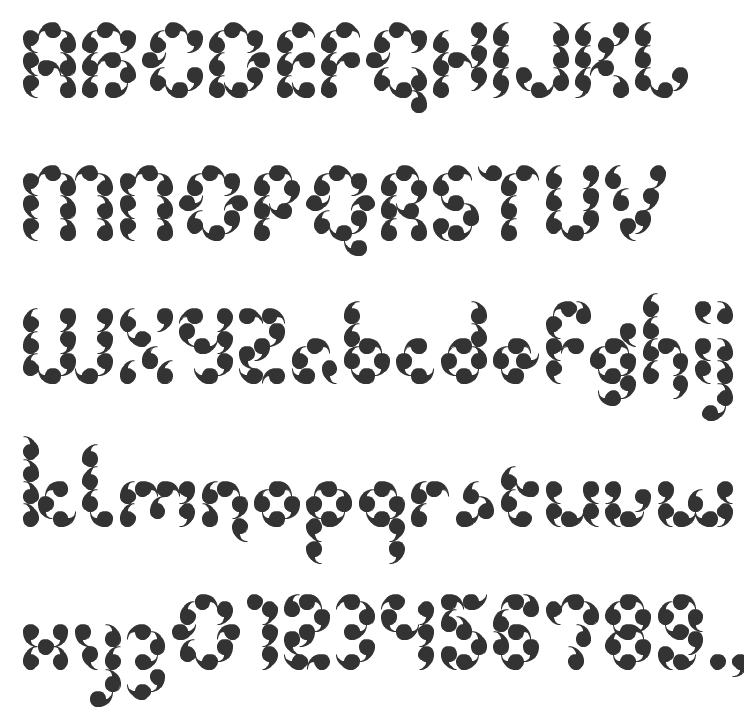
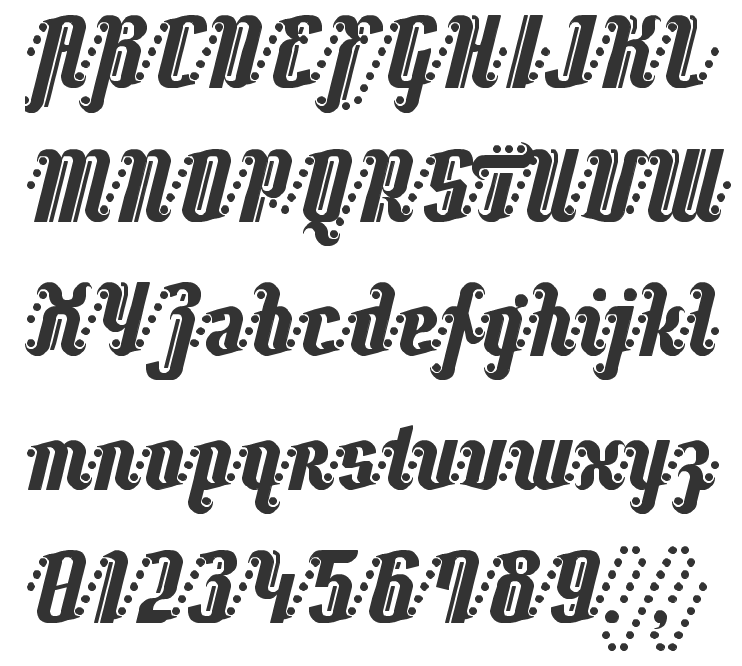
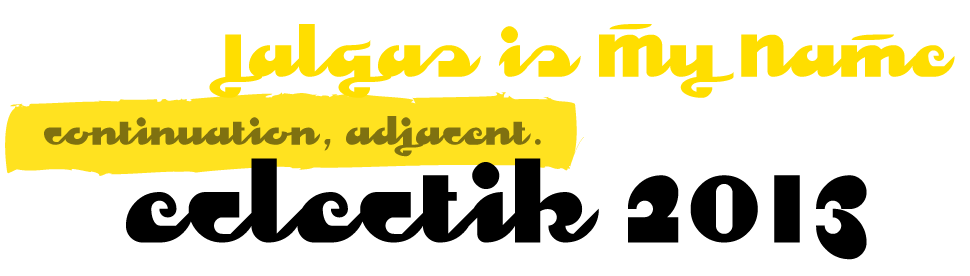
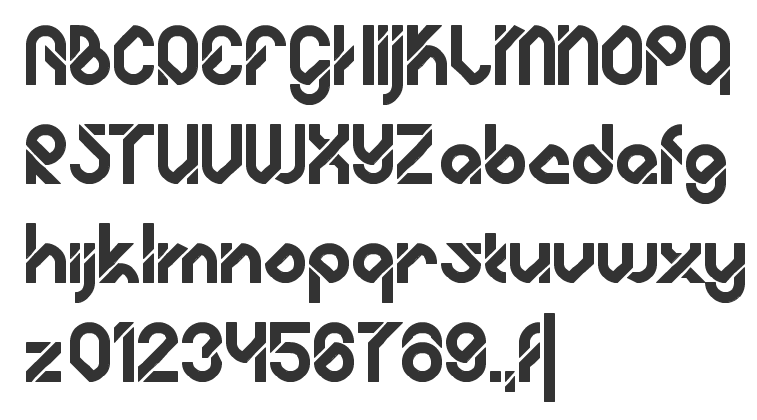
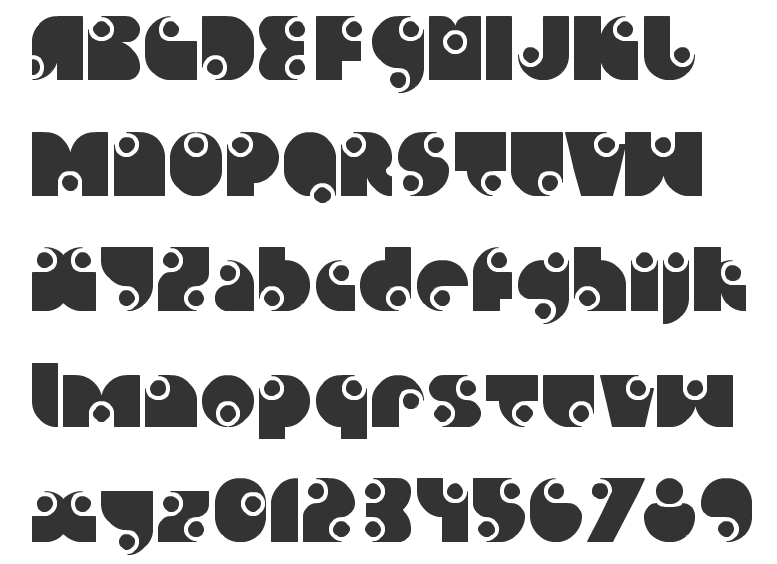
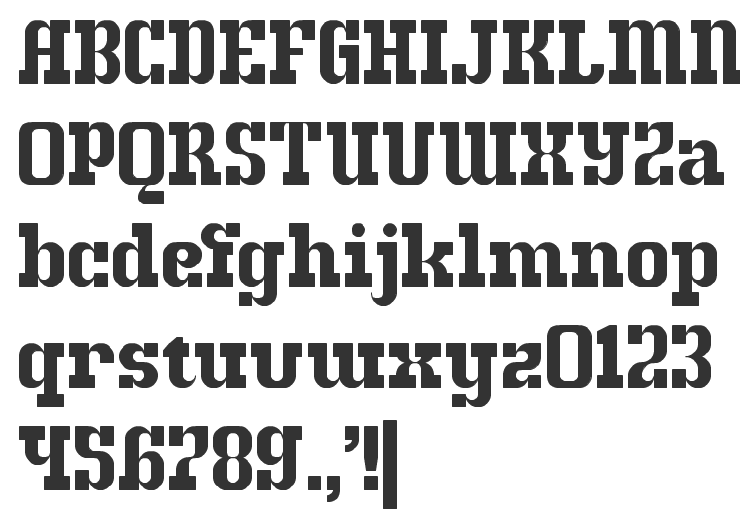
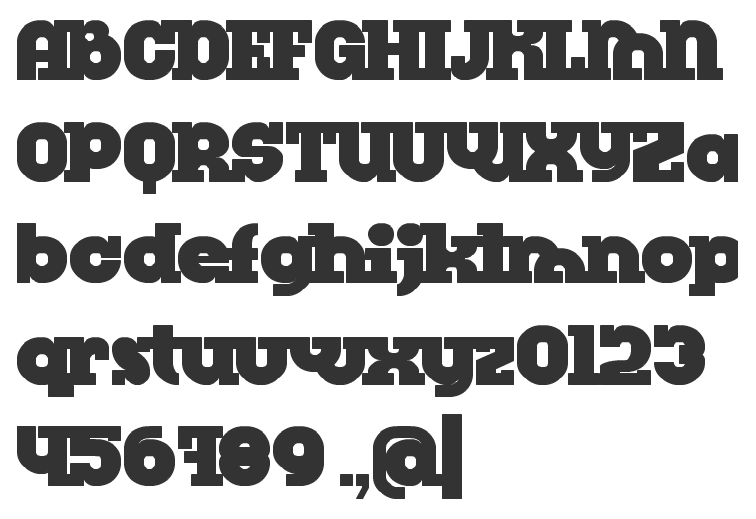
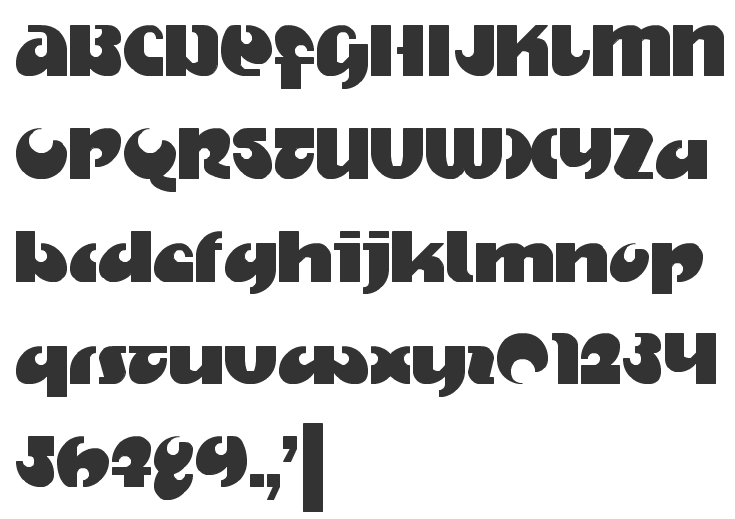
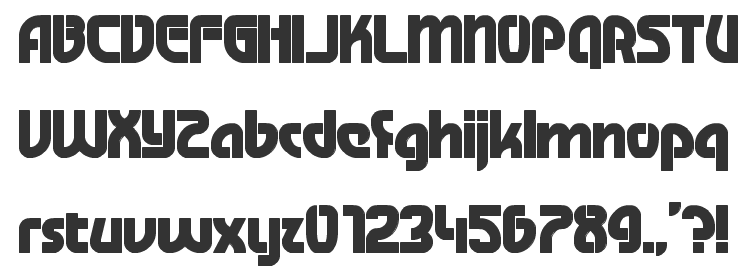
He made a gridded modular typeface called Targeted (2011). Sliced (2011) is a counterless stencil face. Discostructed (sic) (2011) is a texture face. Mono Dot (2011) is a thin dot matrix face. Mono Hor (2011) is a horizontally striped version of it, Mono Ver (2011) a vertically striped version, and Mono Bold (2011) a bold version. Promo (2011) is purely geometric. Semiz (2011) and Semiz Light (experimental) are partly art deco. Audio (2011) is based on the logo of audiojelly. Arro (2011) has letters with arrowed terminals. Hexa (2011) is hexagonal. Happi (2011) is a fat finger face. Semiz Black (2011) is a free fat pixel face. Creations from 2012: Pearls of Margar, Korgan, Phunni, Carbo, Carbo ii, Lenta, Phunni, Jambul, Extraterrestrial (sci-fi), Rap My Hip-Hop, Armada 1991 (monospaced), Venus (white on black), Garage Garbage (bold avant-garde design), WHAQ, Extra Fontestrial, Algae, A Tasbaqa, Salem (rounded bold typeface), Thaiana Jones, Salem (fat rounded face), Audio 2012, Balapan, Dalmat, Bonn (an art nouveau army stencil face), Mgla, Teris (white on black), Degoratix (curly), Barney Stencil (a fantastic brushy stencil), Lentalicious, Blackway Str, Schengbers (a great piano key stencil family), Tramcar Typo, Mgia, Brushure (a fat curvy display face), Extralien, Serrific Terif, Missinger, Tolkyn, Murt, Twisture, Soliture, Threedure, Antillic, Garage Garbage, Arro, Happi, Schengbergs Hi. Typefaces from 2013: AT Dombra (psychedelic typeface after Motter Ombra), AT Hoppy (fat letters), AT Liniya (blackboard bold), AT Karagai, Hed Kandi (techno face), AT Traffa Stencil, AT Schema, Naation, AT Nayman, AT Roughin, AT Rooktura Stencil, AT Duba, AT Archistency, AT Liena, AT Bombarda (fat stencil face), AT Sulfur ii, AT Mad Pilot, AT Tasbaqa, Vaia Con Dios, Betaport, Mooltyashka, AT Stincel (a lively stencil font), Millio, Tamshy, Offelia, Jalgas (retro script: a winner in the FontStruct Connected Script Competition), Laffa (connected stencil script), Dlinalys, Diagona, Kitara (psychedelic), Archtitalic, Bonn (bony stencil), Teka 1, Teka 2, Unknownim, Khara (ultra-heavy slab face), Shlab (slab serif), Unknownim (slab serif), Archtalic, Argyn, Linea Runde, Mechatraps (+Plain), Eliksir, Drilliant, Katamaran (art deco), Lagman, Neurojet (experimental), Jazzure (bullet hole display face), Diagon, Aroth, Pharaoh's Delight (piano key / art deco typeface), Cocomi, AT Burshak, AT Sulfur, AT Taspa, AT Affina. Commercial typefaces done in 2013: KD William, William Shakespears, AT Archistency (piano key stencil face) AT Bombarda (piano key stencil face), AT Audio, AT Argyn. Typefaces from 2014: AT Sudoku (each letter is actually a sudoku puzzle!), AT Tactica (tic tac toe voard), AT Sudoku+, AT Pixtensans, AT Ayna, AT Kerey, AT Giveaway, AT Lagman, AT Asotika, AT Tugan, AT Yertegi, AT Nudgera, AT Diagona, AT Golovkin (stencil typeface named after middleweight boxer Gennady GGG Golovkin), AT Arachis (stencil), AT Tugan (fat rounded sans), AT Baktera, AT Jumpa Jumpa (stencil), AT Nudgera, AT Digitta, AT Archaus, AT Ladya (ball terminal stencil), AT Yin Yang, At Keste, AT Yazyk (rounded stencil), AT Sulfurian (techno stencil), AT Fasten Your Seatbelts (diagonally cut stencil), AT Buckle Up (like AT Fasten Your Seatbelts), AT Droppix, AT Knitka (knitting font), AT Sagat, AT Wild Archid (african theme font), AT Steglo. Typefaces from 2015: ATAday, ATArchistruct, ATAttache, ATBogomol, ATCastleryRock, ATChaperon, ATKitay (oriental simulation), ATQuba, ATRaushan, ATRoyal, ATShlanga, ATSkos, ATTrassa, AT Giveaway 4, AT Sherit, AT Ribborn. Typefaces from 2016: ATArchaus2, ATArchistructOutline, ATDornach, ATDrogo, ATEnschede, ATExtrema, ATGiveawayNo5, ATGiveawayNo6, ATHadamard, ATTwelve, Windows Icon Font. Typefaces from 2017: ATBals, ATBevelour, ATEsrever, ATHitchook, ATImagiro, ATLauda, ATMigdalia, ATRozalla, ATUniversiade, ATYangster, ATZabor, ATThinnetry. Typefaces from 2018: KD Eight, KD Tramcar, KD Algae Brush, Forza Juve (inspired by Juventus FC's logo), KD Hachure (a multiline typeface family), KD Half Arc, KD Space Band, KD Hachure (+Inline, +Outline), KDAnniversary, Armiya (army stencil), KD Baba Yaga (multiline). Typefaces from 2019: KD Para, KD Pempo (a multiline art deco font). Typefaces from 2021: KD Ziberia (based on Antonio J. Morata's Ziberia typeface from 2011), KD Dekorat (a modular labyrinthine or Maya genre set of capital letters). FontM link. Behance link. FontStruct link. [Google] [MyFonts] [More] ⦿ |
Kazakhstan designer of the beautiful Cyrillic/Latin font Moonchild. Home page. [Google] [More] ⦿ | |
Astronaut Design
|
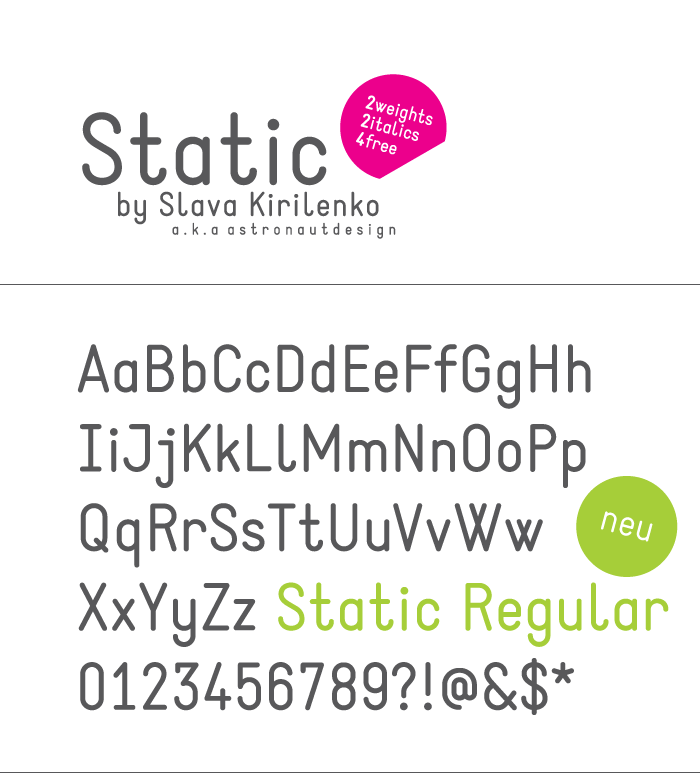
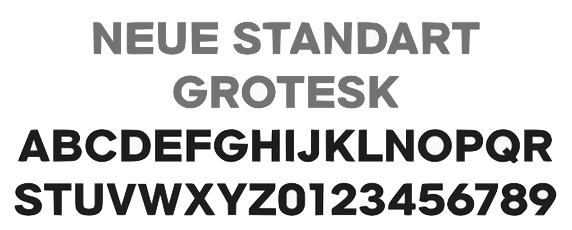
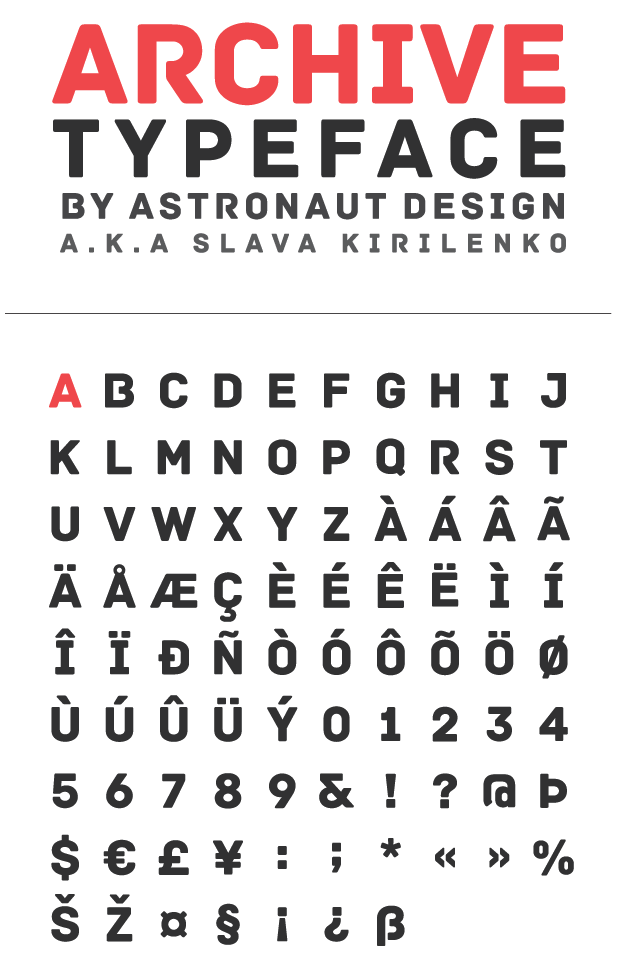
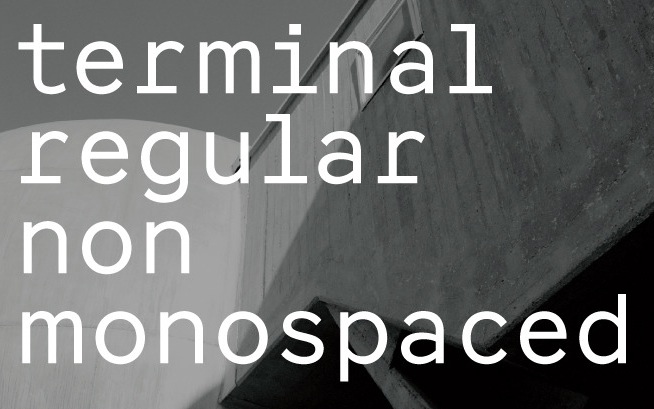
His typefaces from 2012 include the free rounded sans family Static (Fontfabric), 1204 Grotesque, Neue Standart Grotesk, the free font Archive (a rounded sans headline typeface that is also also at Fontfabric: both Latin and Cyrillic), Svalbard Chrome, Cosmographia (sans headline face), Geometria (done with Gayaneh Bagdasaryan, followed by Geometria Narrow in 2016), Terminal Regular (like Courier), and Weimar. Institut (2013, Brownfox) is an industrial-strength sans typeface designed by Vyacheslav Kirilenko and Gayaneh Bagdasaryan. Typefaces from 2014: Formular (with Gayaneh Bagdasaryan at Brownfox: a Swiss sans family for Latin and Cyrillic; includes a Mono style), Gerbera (with Gayaneh Bagdasaryan at Brownfox). Typefaces from 2015: Nolde (a Latin / Cyrillic titling typeface named after german-Danish printer Emil Nolde; by Vyacheslav Kirilenko and Gayaneh Bagdasaryan). Typefaces from 2016: Wermut (a transitional dagger-serifed Latin / Cyrillic text typeface family by Gayaneh Bagdasaryan and Vyacheslav Kirilenko, published at Brownfox). Typefaces from 2022: Jet (the authors, Gayaneh Bagdasaryan and Vyacheslav Kirilenko, write: Jet is an assertive italic sans that anticipates the return of the simpler, optimistic times when progress was considered positive and forward seemed to be the only way to go). Behance link. [Google] [MyFonts] [More] ⦿ |
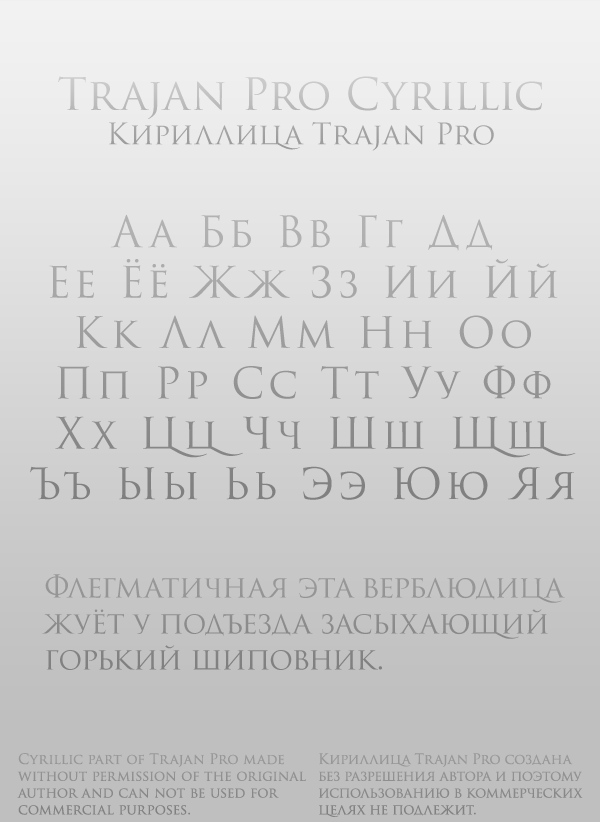
Graphic designer from Pavlodar, Kazakhstan. He created the octagonal typeface Furore (2009), as well as Trajan Pro Cyrillic (2009). He cyrillicized Yanone Kaffeesatz in 2009. Typetype link. [Google] [More] ⦿ | |
Almaty, Kazakhstan-based designer of the free squarish typeface Furore (2018), and of Cyrillic styles of Yanone Kaffeesatz (2018: free) and Trajan Pro (2018). Note: the Furore he claims as his is in fact made in 2009 by Daniel Pouzeot and Jovanny Lemonad, so there is an unexplained conflict. Also, his Behance name is Pouzeot, so probably it's a question of two aliases for the same designer---welcome to the web's chaos. [Google] [More] ⦿ | |
Kazakhstani designer who studied at HSE Art and Design School in Moscow. In 2021, she published Raspustilsya Sans which was designed to draw attention to microfibre pollution. [Google] [More] ⦿ | |
Esa Anttikoski
| |
Article by Adobe's Thomas Phinney on how to tackle extensions of Cyrillic in future Adobe releases (in line with the Unicode specs), in the hope of covering these languages as well (population numbers in parentheses): Abaza (45K), Adyghian (300K), Avar (600K), Buryat (440K), Chechen (1M), Dungan (50K), Ingush (230K), Kabardian (650K), Kalmyk (160K), Kara-Kalpak (200K), Kazakh (8M), Kyrgyz (1.5M), Lakh (145K), Lezgi (400K), Mongolian (5M), Tabasaran (100K), Tajik (4.4M), Tatar (7M), Turkmen (6.4M), Tuvan (200K), Uzbek (16.5M). [Google] [More] ⦿ | |
At the UNESCO site in Kazakhstan, type 1 and truetype font families for Cyrillic and East-European languages, by Garkavets, made in 2000: BookmanUrum, BookmanUrumBold, BookmanUrumItalic, QypchakDiacritic, QypchakDiacriticBold, QypchakDiacriticBoldItalic, QypchakDiacriticItalic, TimesUrumNewBold-Italic, TimesUrumNewBold, TimesUrumNewItalic, TimesUrumNewNormal. Plus VusillusOldFaceItalic (Ralph Hancock, 1999) and SchoolBookAC (ParaGraph, 1992). [Google] [More] ⦿ | |
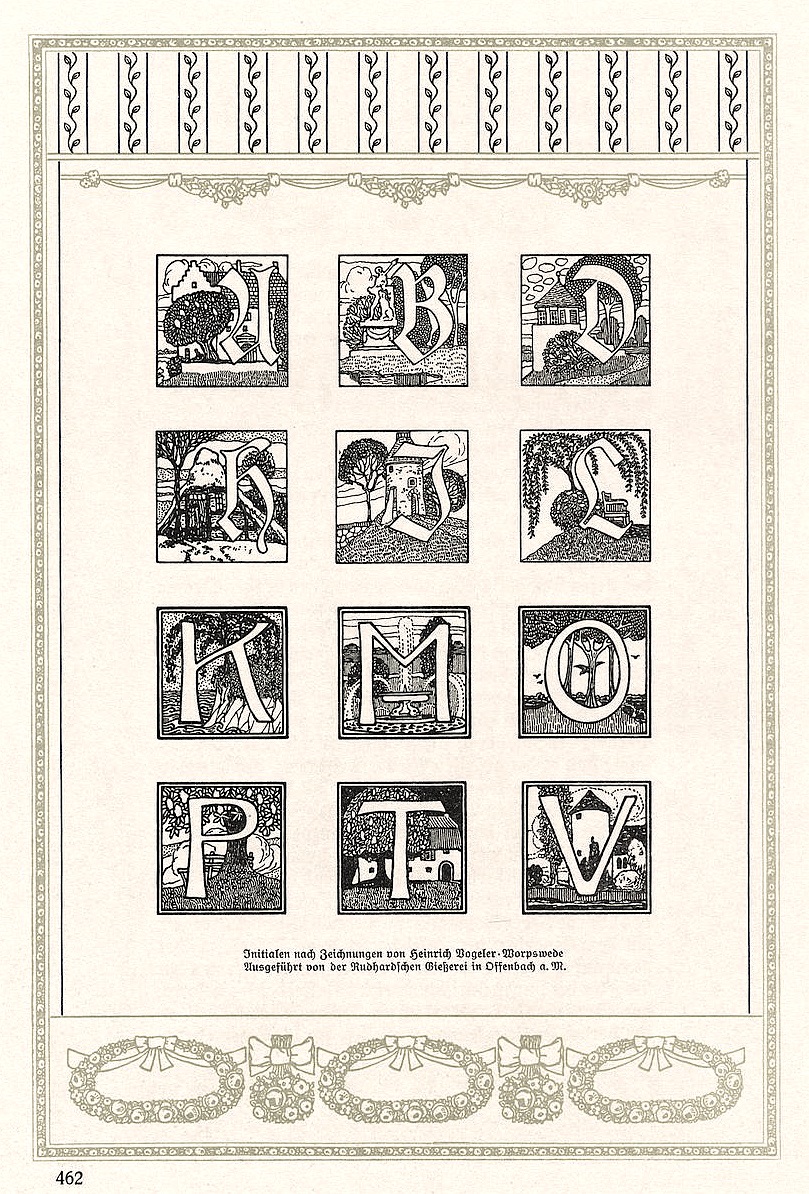
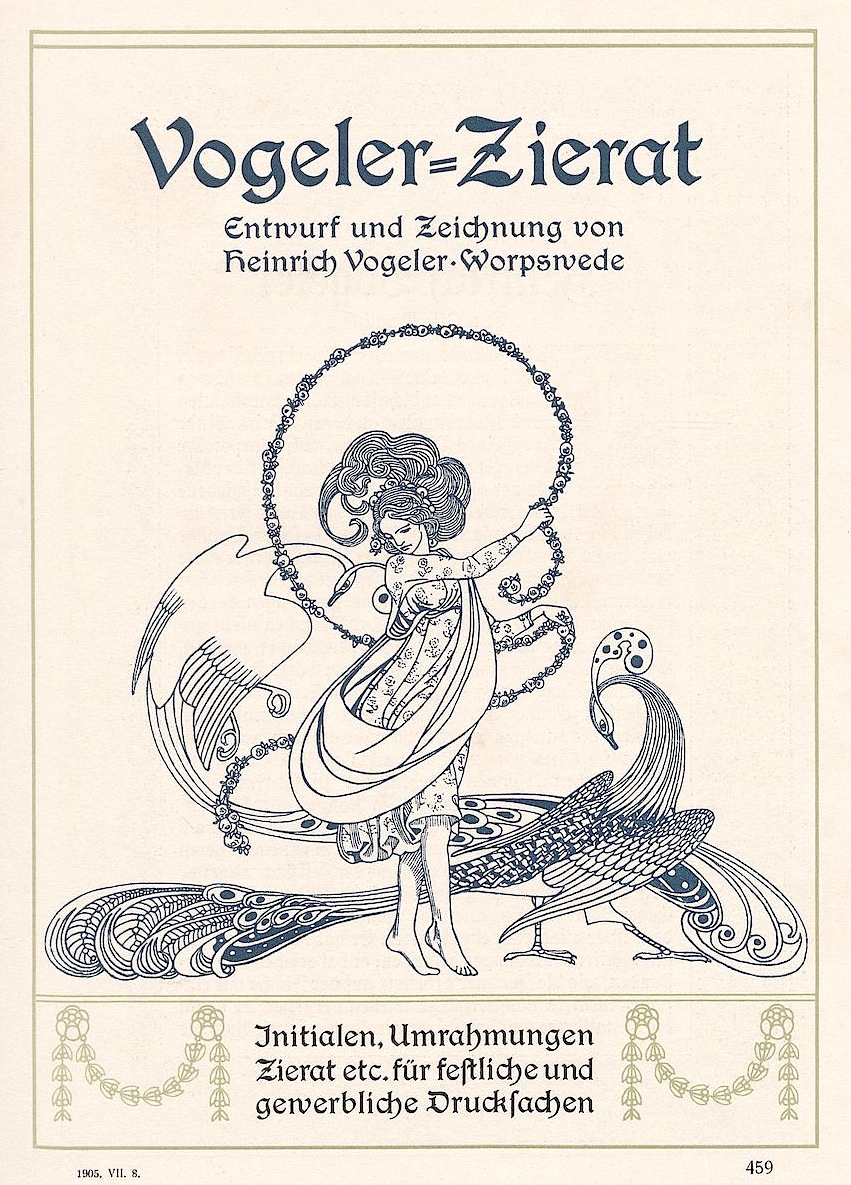
Heinrich Vogeler (b. 1872, Bremen, Germany) was an art nouveau era artist, designer, illustrator and teacher, known for his paintings and for his illustrations of fairy tales. He also did some work for the art nouveau magazine Pan. From 1894 on, he lived for some time in the artist colony at Worpswede, Germany. In 1908 he and his brother Franz founded the Worpsweder Werkst&aauml;tte, which produced household objects. He studied at the Kunstakademie Düsseldorf from 1890-1895. With sympathies for the working class, after the Great War, he became a pacifist and joined the Communist Party of Germany (KPD). The romanticism of his early art nouveau work gave way to proletarian content. In 1931, Vogeler and his second wife, Sonja Marchlewska, emigrated to Russia. Ironically, he was deported in 1941 to Kazakhstan by Soviet authorities, and died there in 1942. Jugendstil Initials (2007, HiH, Malcolm Wooden) is a commercial digital revival of Jugendstil Initialen (1905, Rudhardsche). Compare with Vogeler Caps (2002, Petra Heidorn, CybaPee Creations) and Vogeler Initialen (2002, Dieter Steffmann), both free revivals of a similar style face. Other typefaces by him include Vogeler Zierat (1904, Rudhardsche Giesserei), Kalender Bilder (1910, Klingspor). Vienna Secession link. Klingspor link. [Google] [MyFonts] [More] ⦿ | |
Ilya Nikitin
| |
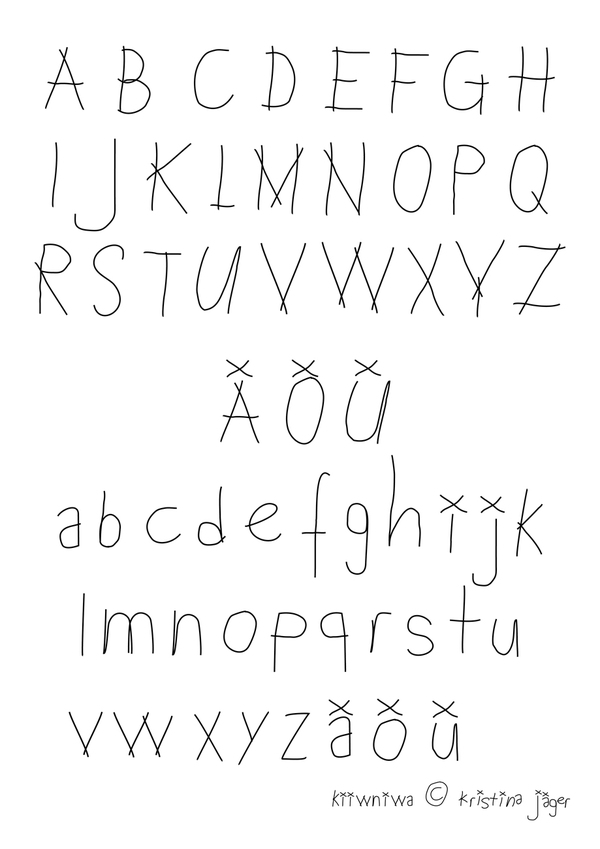
Aka Kristina Litwinowa, b. 1990, Ostagan, Kazakhstan. She emigrated in 1998 to Germany. Graphic design student in Nuremberg, Germany. She created the simple hand-printed typeface Kiiwniwa (2011). Behance link. [Google] [More] ⦿ | |
Québec City-based creator (b. 1952) of the octagonal font Vegesignes (2009-2017, FontStruct). This font also appeared in 2010 at Open Font Library. It consists of almost 7,615 glyphs. Designed for: Afrikaans, Aghem, Akan, Albanian, German, Amharic, English, Western Apache, Arabic, Armenian, Asou, Assamese, Asturian, Azerbaijani, Bashkir, Bafia, Bambara, Low German, Lower Sorbian, Basque, Bassa, bemba, bena, Bengali, Belarusian, Burmese, Bodo, Bosnian, Breton, Bulgarian, Cape Verdean, Catalan, Cebuano, Chambala, Checha, Chicacha, Choctaw, Cisena, Cornish, Corsican, Mauritian Creole, Croatian, Danish, Diola-Fogny, Dogri, Douala, Dzongkha, Embou, Erzya, Spanish, Esperanto, Estonian, Ewe, Ewondo, Faroese, Filipino, Finnish, French, Friulian, West Frisian, Ga, Scottish Gaelic, Galician, Welsh, Ganda, Greek, Guarani, Gujarati, Gusii, Hausa, Upper Sorbian, Hawaiian, Hebrew, Hindi, Hungarian, Yakut, Ido, Igbo, Indonesian, Interlingua, Inuktitut, Irish, Icelandic, Italian, Javanese, jju, kabyle, kako, kalaallisut, kalendjin, kamba, kannada, kazakh, khmer, kiga, kikuyu, kinyarwanda, kyrgyz, kölsch, konkani, koyra chiini, koyraboro senni, kpellé, kurd, kurd sorani, kwasio, lakota, langi, Lao, Latvian, Lingala, Lithuanian, Lojban, Luba-katanga, Luo, Luxembourgish, Luyia, Maasai, Macedonian, Maïthili, makhuwa-meetto, makonde, malay, maldivian, malagasy, maltese, manipuri, manx, maori, mapuche, marathe, matchamé, mazanderani, meru, meta', mohawk, mongol, moundang, n'ko, nama, navajo, northern ndebele, Southern Ndebele, Dutch, Nepalese, Ngiemboon, Ngomba, Nkole, Norwegian Bokmål, Norwegian Nynorsk, Nuer, Occitan, Odia, Oromo, Ossetian, Uighur, Urdu, Uzbek, Pashto, Punjabi, Persian, Fulani, Nigerian Pidgin, Polish, Portuguese, Quechua, Romansh, Rombo, Romanian, Roundi, Russian, Rwa, Samburu, Northern Sami, Inari Sami, Samoan, Sango, Sangu, Sanskrit, Sardinian, Serbian, Shona, Sicilian, Sindhi, Slovak, Slovenian, Soga, Somali, Northern Sotho, Southern Sotho, Sundanese, Soureth, Swedish, Swiss German, Swahili, Swati, Tajik, Taita, Tamazight, Tamil, Taroko, Tasawaq, Tatar, Czech, Chechen, Chuvash, Telugu, Teso, Thai, Tibetan, Tigrigna, Tongan, Tsonga, Tswana, Turkish, Turkmen, Tyap, Ukrainian, Venda, Vietnamese, Vunjo, Walloon, Walser, Wolof, Xhosa, Yangben, Yiddish, Yoruba, Zarma, Zulu, Scripts: Arabic, Armenian, Bengali, Burmese, Korean, Cyrillic, Devanagari, Unknown script, Ethiopic, Gurmukhi, Greek, Gujarati, Hebrew, Japanese, Kannada, Khmer, Lao, Latin, N'ko, Nastaliq, Odia, Canadian Aboriginal syllabary unified, syriac, tamil, telugu, thai, thana, tibetan. Dafont link. Fontspace link. Vegesignes download. Home page. Aka Leaurend-Lavie-Hyppere (Laval) Chabon and as Joseph Rosaire Laval Frandey Leaurend Lavie Hyper Chabom. [Google] [More] ⦿ | |
Minority languages of Russia on the Net
| Esa Anttikoski's page with minority Russian language links. Has fonts for Altai/Mari, Kazakh, Tatar, Chechen, Chuvash (TimesEC), Udmurt, Ossetian, Karelian, Yakut. His font Abur (2000). Subpage on Russian minority language fonts. In particular, free fonts offered include
|
FontStructor who made Basmachi (2009): Basmachi is a Central-Asian flavoured typeface inspired by Cyrillic titling fonts in popular use in Kazakhstani public schools. In 2009 he made Brokenscript Rectangular (+Smooth, +Regular: nice blackletter font), Young Young Turkic (2009, a Cyrillic FontStruct based very loosely on the Serbian Cyrillic Bedrock typeface, designed specifically for the Kazakh and Kyrgyz alphabets), and LeanLeft (2008). [Google] [More] ⦿ | |
Sabit Sugirov
| |
Sabomaster
| Sabit Sugirov (Sabomaster) is from Almaty City, Kazakhstan, and was born in 1985. He designed >Sabomaster, a gorgeous Cyrillic/Latin display font (2003). He also made Sabomaster-Uh (2003). Alternate URL. [Google] [More] ⦿ |
| |
Slava Kirilenko
| |
Sloth Astronaut (or: Cosmic Store)
| Tanya Butskaya (Sloth Astronaut, Almaty, Kazakhstan) designed the Latin / Cyrillic wood print emulation typeface Wood Burn (2016), the poster typeface Snow On The Roof (2016), the grungy Disappear (2016), Waterfall (2016), and the handcrafted Ugly Alligator (2016). Typefaces from 2017: Love at First Bite (Latin and Cyrillic poster typeface). Typefaces from 2018: Lost in Space (a futuristic color SVG font), Bomond (a textured ink font), Into the Wild. |
Introduced at the time of Genghis Khan, the Mongolian script was widely used until 1942, when Stalin proclaimed that Asian nations including Kazakhstan, Uzbekistan, Turkmenistan and Mongolia must all use Cyrillic instead of their native script. Within 40 years, traditional script was abandoned and forgotten as new generations began learning only Cyrillic. By 1990, a mere 10 per cent of Mongols, mostly the elderly, could read and write in old script. After the fall of the Soviet Empire in 1990, the country returned to its old script. [Google] [More] ⦿ | |
Stars Soft
| Kazakhstan-based designer of the modular Latin / Cyrillic typefaces School Type (2020: octagonal), Octavia VV (2020) and STARSsoft Nika (2020). He also designed Tender Veronica (2020: a monoline rounded sans). [Google] [MyFonts] [More] ⦿ |
Tanya Butskaya
| |
Almaty, Kazakhstan-based designer who created the great eroded Latin / Cyrillic typeface Disappear (2015). She also created the typeface Wood Burn (2015). [Google] [More] ⦿ | |
Esa Anttikoski's page with Tatar links. Tatar is in the Turkish family of languages and is spoken in the Republic of Tatarstan, in a number of districts in Bashkortostan, Mari El, Udmurtia, Mordovia, in most regions of Russia and in a few districts of Uzbekistan, Kazakhstan, Azerbaidzhan, Kirgizia, Tadzhikistan and Turkmenistan. This page has a free Tatar truetype font from Kheter Publishers. Description of some Tatar fonts. [Google] [More] ⦿ | |
Thomas T. Pedersen
| |
Transliteration of Non-Roman Alphabets
| From Copenhagen and Estonia, Thomas T. Pedersen's page on non-Roman alphabets. He specializes in all kinds of Cyrillic alphabets, such as Abaza, Abkhaz, Adyghe, Altay, Arabic, Armenian, Avar, Azerbaijani, Bashkir, Belarusian (Belorussian), Bulgarian, Buryat, Chechen, Chukchi, Chuvash, Crimean Tatar, Dargwa (Dargin), Dungan, Erzya Mordvin (Mordva), Eskimo - Yupik, Even, Evenki, Gagauz, Georgian, Greek, Hindi, Marathi, Nepali, Ingush, Kabardian, Kalmyk, Karachay-Balkar, Karakalpak, Kazakh, Khakass, Khanty, Kirghiz, Komi (Komi Zyryan), Komi-Permyak, Koryak, Kumyk, Lakh, Lezgian (Lezgin), Macedonian, Mansi, Mari: Hill Mari, Meadow Mari, Moksha Mordvin (Mordva), Moldovan (Moldavian), Nanai, Nenets, Nivkh, Nogay (Noghay), Ossetian (Ossetic), Ottoman Turkish, Russian, Rusyn (Lemko&Vojvodinian), Selkup, Serbian, Tabasaran, Tajik, Talysh, Tatar, Turkmen, Tuvinian, Udmurt, Ukrainian, Uzbek, Yakut, Yiddish. [Google] [More] ⦿ |
Free Uzbeki, Tatar Cyrillic, Tatar Turkish, Kazak, Bashkirian, Azeri and Turkish fonts. Plus links for all these Turkic languages: Altai, Azerbaijani, Balkar, Bashkir, Chagatay, Chuvash, Cuman, Crimean Tatar, Gagauz, Karachay, Karaim, Kazakh, Khakas, Kumyk, Kyrgyz, Nogay, Old Uyghur, Orkhon, Ottoman, Shor, Tatar, Tofa, Turkish, Turkmen, Tuvan, Uyghur, Uzbek, Yakut, Yellow Uyghur. All of this is maintained by Johan Vandewalle in Belgium. KYRG [Google] [More] ⦿ | |
Type 1 and truetype fonts for Armenian by Ruben Tarumian: ArialArmenGarBold, ArialArmenGarItalic, ArialArmenGar, ArmoldGar, ArTarGrqiNorGarBold, ArTarGrqiNorGarItalic, ArTarGrqiNorGar, ArTarumianMatenagirGarBold, ArTarumianMatenagirGarItalic, ArTarumianMatenagirGar, ArTarumianTimesGarBold, ArTarumianTimesGarItalic, ArTarumianTimesGar. And the Cyrillic fonts by Garkavets (2000): BookmanUrumBold, BookmanUrumItalic, BookmanUrum. Plus QypchakDiacriticBoldItalic (has characters and ligatures, used in "Codex Cumanicus" and Qypchaq written monuments XIII-XIV centuries, also made by Garkavets, 2000), QypchakDiacriticBold, QypchakDiacriticItalic, QypchakDiacritic. From ParaGraph, the Cyrillic fonts SchoolBookAC-Regular, SchoolBookAC-Italic, SchoolBookAC-Bold, SchoolBookAC-BoldItalic. From Garkavets, the Cyrillic fonts TimesUrumNewBold, TimesUrumNewBold-Italic, TimesUrumNewItalic, TimesUrumNewNormal. By Ralph Hancock, the Greek font VusillusOldFaceItalic. And finally, from Adobe, the Turkish fonts TmsRoman, TmsRomanBold, TmsRomanBoldItalic, TmsRomanItalic. Direct access. [Google] [More] ⦿ | |
Esa Anttikoski's list of Unicode-fonts with Cyrillic letters:
| |
Commercial Windows XP packages sold with foreign language fonts in TrueType and PostScript, called GlobalSuite, GlobalWriter and GlobalOffice. Includes most foreign languages. For example, in the Cyrillic sphere, they have Bulgarian, Byelorussian, Macedonian, Russian, Serbian, Ukrainian plus over 50 additional Cyrillic languages such as Azeri, Kazakh, Kirghiz, Moldavian, Mongolian, Tadzhik, Tatar, Turkmen and Uzbek. And for North Indian, they have Assamese, Bengali, Gujarati, Hindi, Marathi, Nepali, Punjabi, and Sanskrit. [Google] [More] ⦿ | |
Viktor Kalgin
| |
| |
Kazakhstan designer of the Cyrillic fatface font Final, of the Cyrillic version of David Rakowski's Logger, and of the Cyrillic version of an ITC font by Martin Wait, now called Hrom. He also made OrdensVK (2002), Ograda, Pero (2001), Svoboda, Vladovskiy, Viza, Bulka, Burlak (2001), Brody, Bolid, Beresta (2001), Aktau. Here we can download Burlak (2001). [Google] [More] ⦿ | |
Vred Letters
| Kazakhstan-based designer of the bilined Latin display typeface Silverspoon (2019). [Google] [MyFonts] [More] ⦿ |
Zhalgas Kassymkulov
|

 [
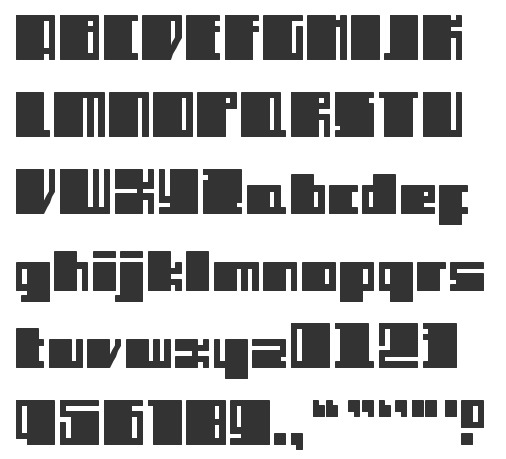
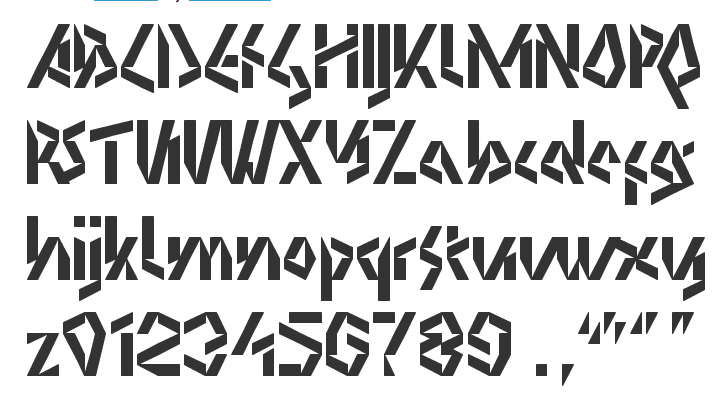
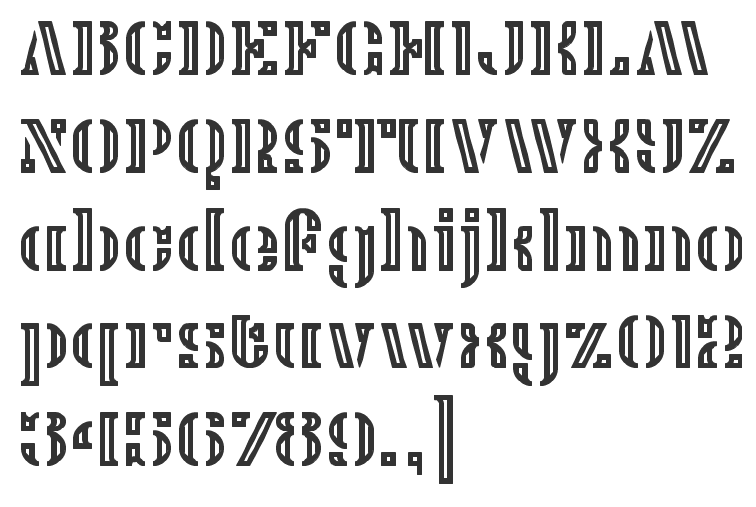
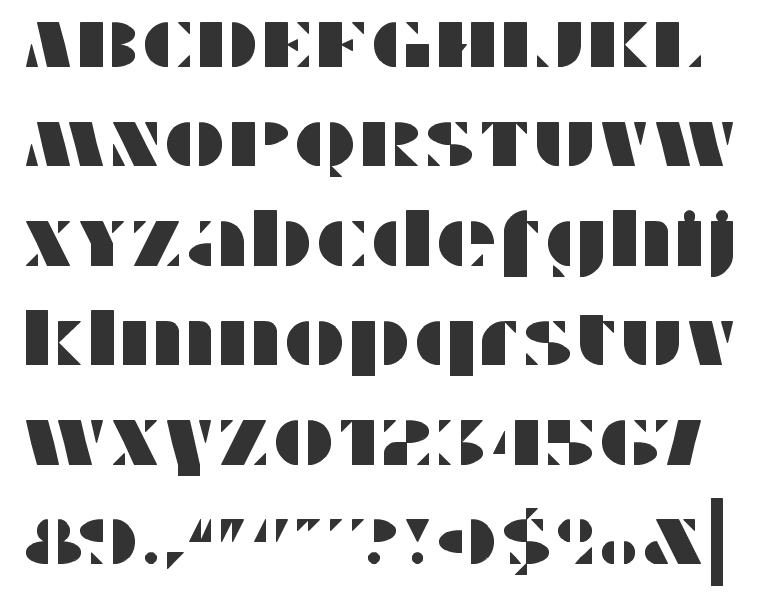
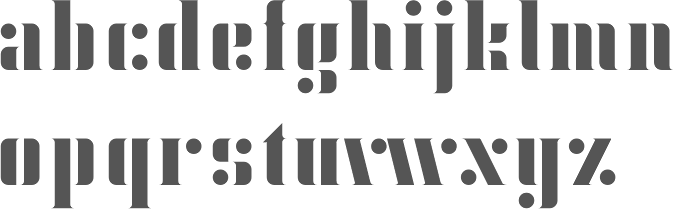
[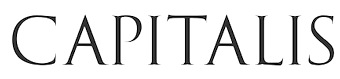 Pavlodar, Kazakhstan-based designer (b. 1987) of the medieval calligraphic typeface Square Capitals (2014, Latin and Cyrillic), the uncial typeface Uncial (2015) and the Trajan typeface Capitalis Monumentalis (2015). In 2015, he designed the angular and angry straight-edged typeface KZ Kirpich, the tangram-inspired German expressionist typeface Tangramus, and the Latin / Cyrillic deco typeface Kvadrat.
  Architaraz Type (Kassymkulov Design) is located in Shanghai, China, and Taraz, Kazakhstan. Its type designer, Zhalgas Kassymkulov, was born in 1986 in Kazakhstan. His initial type designs were all done with the help of FontStruct. In 2013, he went commercial as Architaraz Type.
 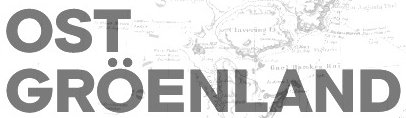 Astronaut Design is located in Almaty, Kazakhstan. It is run by Slava (Vyacheslav) Kirilenko. A graduate of Kazakh National Pedagogical University Abai, Vyacheslav has worked as a graphic designer for Forty Studio, Why Smart Branding Agency, and USP Advertising Agency. In 2013, he won an award in the Granshan competition. He also designs typefaces at the Brownfox type foundry run by Gayaneh Bagdasaryan.
 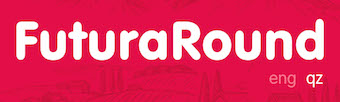 Almaty, Kazakhstan-based designer of the Latin / Cyrillic typeface Kiddy Kitty Kazakh (2018), Futura Round (2018) and cyrillizations of Panforte Pro (2018: called Panforte Pro KZ, after the Zetafonts original from 2013) and Bliss Pro (2018: called Bliss Pro KZ). [
 [
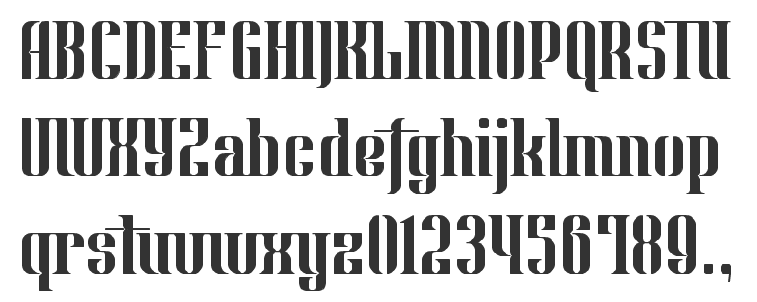
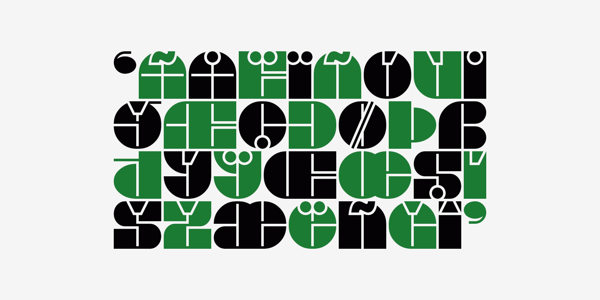
[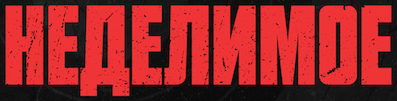 Almaty, Kazakhstan-based designer of the Latin / Cyrillic constructivist typeface Nedelimoe (2017).
  [
[
























|
|
|
|