TYPE DESIGN INFORMATION PAGE last updated on Fri Jul 11 18:41:03 EDT 2025
FONT RECOGNITION VIA FONT MOOSE

|
|
|
|
|
Type design in Egypt | ||
|
|
|
|
SWITCH TO INDEX FILE
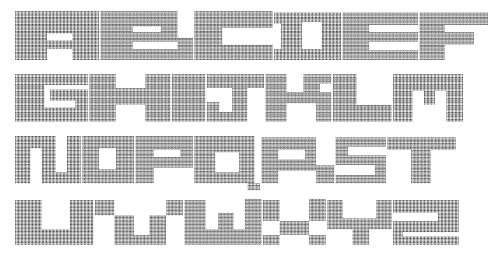
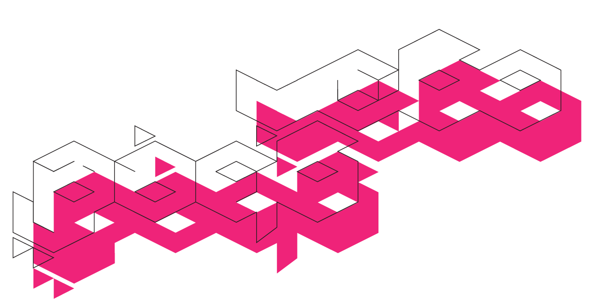
FontStructor (perhaps Dana Ramond Kaikane Stoneman of Hockey Shark Productions) who made these fonts in 2011: Burlesque (Art deco), Tebacabi (squarish), Stretched Out, Winter Wind, Theory (texture face), Theory Improved, Elite (gridded), Continuum, Quilted Silk (squarish textured face), What (texture pixel face), Freaky (tall condensed square face), Jordan, Slob, Ertite (pixelish), Dictator (pixel face), Duh Pixels (pixel face), Ribbon, Twee, Best Love Song, Bolderic, Sliders, Slapshot, Sloppy Sketcher, Serifereal Vision, Pieramids. [Google] [More] ⦿ | |
Abd-Elrahman Ammar
| Aka Abody Ammar. Damanhar, Egypt-based designer. Co-designer with Yousuf Gamal of the fun fluid Arabic typeface Marshmallow (2017). Free download for personal use. In 2017, Abd Al Raoof (design) and Abd-Elrahman Ammar (development) published the free Arabic font family Raoof. Still in 2017, Yousuf Gamal (design) and Abd-Elrahman Ammar (development) published the free Arabic font family Caramel. In 2018, he designed the free Arabic / Urdu / Farsi font Oya together with Avd Al Raoof (Abdoaroof Aburzizh). [Google] [More] ⦿ |
Abdelrahman Farahat
| |
Abdo Fonts (was: Future Soft Egypt)
|
At Hiba Studio, we find HS Futura (2011), which was based on Salem's FS Futura. Also at Hiba Studio, he co-designed the display typeface HS Masrawy (2013) with Hasan Abu Afash. Based in Tanta, Egypt, he designed these typefaces at his own foundry, Abdo Fonts: Abdo Misr (2013: rounded Kufi / geometric style), Abdo Screen (2013), Abdo Naskh (2013), Abdo Rajab (2013, which grew out of FS Rajab, 1998-2000), Aldo Salem (2013, a revival of his own FSSalem, 1998-2000), Abdo Joody (2013) and Abdo Egypt (2013) Abdo Line (2012) is an elegant text typeface in a simple Naskh style, designed for books and magazines. See also Abdo Title (2013), Abdo Free (2013) and Abdo Logo (2013). Typefaces from 2014: Abdo Master (+Outline). Typefaces from 2017: Abdo Text (Arabic Naskh font for books), Abdo Strips. FontShop link. Another FontShop link. Facebook link. Behance link. Old MyFonts link. Behance link. OFL link. [Google] [MyFonts] [More] ⦿ |
Abdo Mohamed
| |
In 2016, he designed the gorgeous Aref Kufi typeface, the free Aref Ruqaa (with the help of Khaled Hosny, Kalapi Gajjar and Nzar Design for Kurdish support), and the advertizing typeface Aref Albasel. [Google] [More] ⦿ | |
alAlmaiha Software, Freezone, Naser City, Cairo, Egypt. [Google] [More] ⦿ | |
Abdulsamie Rajab Salem
| |
Abody Ammar
| |
Cairo, Egypt-based designer of the Latin display typeface Rondo (2014). [Google] [More] ⦿ | |
During his studies in Cairo, Egypt, Ahmad Shaarawy designed the Arabic typeface Nun (2017). [Google] [More] ⦿ | |
Egyptian designer of the avant-garde Arabic font Slavian (2002). [Google] [More] ⦿ | |
Damanhur, Egypt-based designer of the free circle-based Latin typeface Marimoo (2016) and the sturdy sans typeface Stern (2015). [Google] [More] ⦿ | |
Ahmed Alahdal
| |
Cairo, Egypt-based creator of the free 16-style hand-drawn typeface family Noni (2014). [Google] [More] ⦿ | |
Ahmed Eraqi
| |
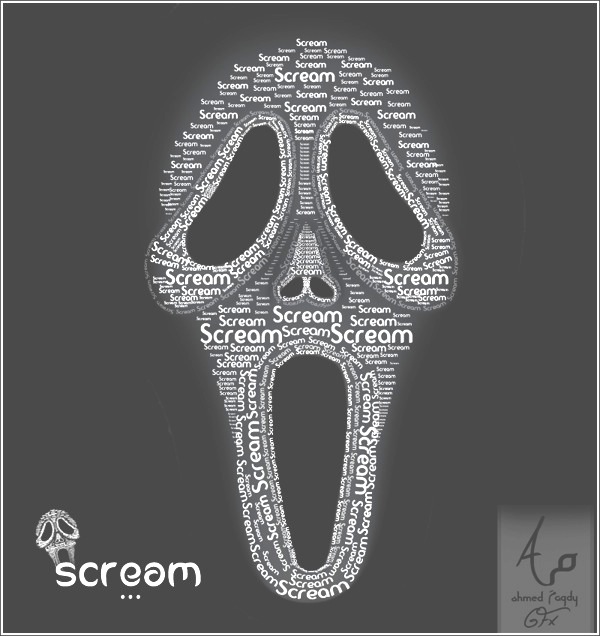
Giza, Egypt-based designer of the typographic poster Scream (2013) for the movie by the same name. [Google] [More] ⦿ | |
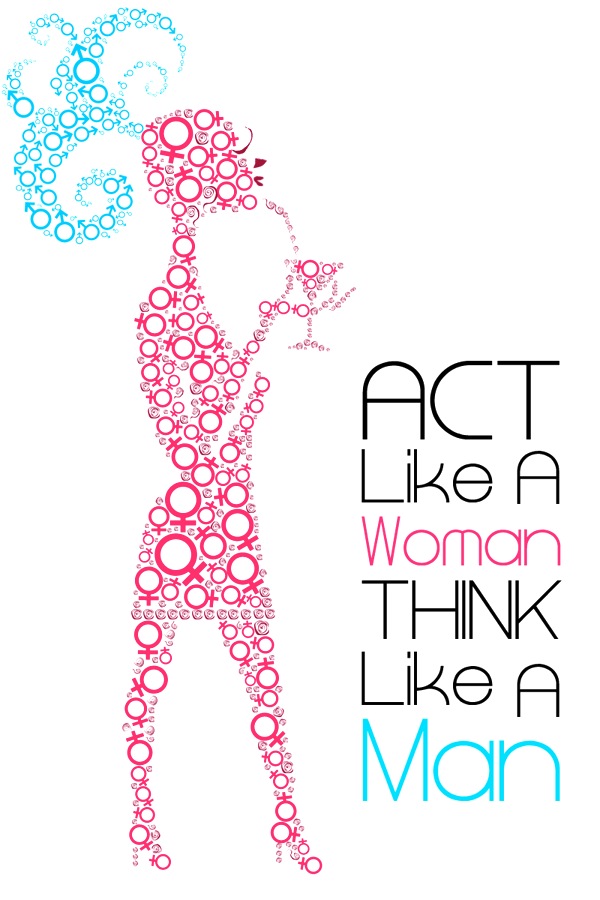
Designer from Alexandria, Egypt, who created a typographic poster in 2013 entitled Girls Rule. [Google] [More] ⦿ | |
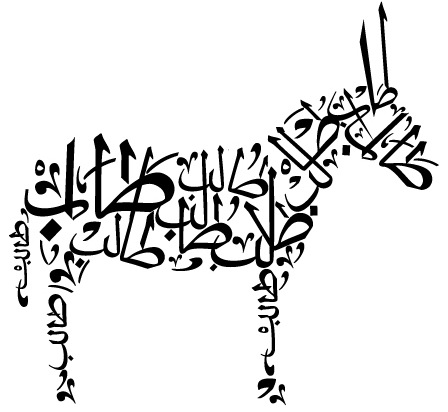
Egyptian graphic designer. Creator of a typographic donkey (2010). [Google] [More] ⦿ | |
Ahmed Zaza
| |
Akufadhl (was: Alternatype, or: Akutype, or: Alterna Type foundry)
|
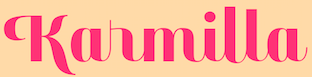
Creator of the free brush typeface Bruss (2015), the handcrafted Talisman (2015), Labours (2015) and Summer Time (2015), the vintage sans typeface Manufactur (2015), the vintage titling typeface Kertayasa (2015), the marker typeface Halfway (2015), the watercolor brush face Hale (2015), the free display typeface Biliru (2015), the handcrafted Supreme (2015), and the spurred display typeface Travelo (2015). Typefaces from 2016: Amarylis, Protea, Geda Brush (thick and inky), Tarquin AT (+Stencil), Macaron (elegant handcrafted style), The Falcone, Supreme (handcrafted), Rolade (rounded sans). Typefaces from 2017: Labours (handcrafted poster font), Rolade (a rounded condensed sans), Karmilla (upright didone script), Egalite (slab serif). Typefaces from 2018: Kruda Handcrafted Sans, Serafina (a calligraphic script, attributed to Insannita Muthiahs), Kertayasa (a layered and textured typeface family), Naratif Condensed. Typefaces from 2019: Generisch Mono, Macaron (a playful take on the blackboard bold genre), Generisch Sans, Hailgen (a reverse contrast text typeface), Genia, Crude Sketch Sans. Fontspace link. Creatice Market link. Behance link. YWFT link. Creative Market link for Alterna Type. [Google] [MyFonts] [More] ⦿ |
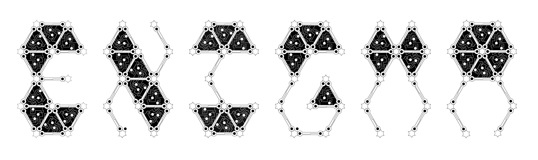
Cairo-based designer of the ornamental "hellish" typeface Okeanos (2014). She also designed Dexter (2014, a modular typeface created at FontStruct), during her studies at the German University of Cairo. [Google] [More] ⦿ | |
Giza, Egypt-based designer of the free minimalist experimental typeface family Scritus (2018). [Google] [More] ⦿ | |
Siwa, Egypt-based designer of the free display typeface Marina (2018). [Google] [More] ⦿ | |
Mansoura, Egypt-based designer of the Arabic typeface Tagarob (2013). Behance link. [Google] [More] ⦿ | |
Cairo, Egypt-based designer of the Arabic typeface Al-Motaereg (2016). For a design course, she created the Latin typeface Leafy (2016). [Google] [More] ⦿ | |
Egyptian designer of the Latin display typeface Life of Pi (2018). [Google] [More] ⦿ | |
At the Faculty of Fine Arts in Alexandria, Egypt, Aliaa Mahmoud designed a few Arabic typefaces (2017). [Google] [More] ⦿ | |
American Philological Association
| Association which published a free Greek Opentype font, KadmosU (2005). New Athena Unicode (2004-2010) is also free: New Athena Unicode is a freeware multilingual font distributed by the American Philological Association. It follows the latest version (5.1) of the Unicode standard and includes characters for English and Western European languages, polytonic Greek, Coptic, Old Italic, and Demotic Egyptian transliteration (and Arabic transliteration), as well as metrical symbols and other characters used by classical scholars. New Athena Unicode is a "smart font" that includes OpenType ligatures allowing the display of composed characters not recognized by Unicode but needed by scholars. I am not sure that I am right, but the Greekkeys pafge makes me believe that Donald Mastronarde (a Professor a UC Berkeley) of the American Philological Association is responsible for the creation and upkeep of New Athena Unicode. [Google] [More] ⦿ |
Amin Ebrahim Kamal
| |
During her studies at Btk University of Applied Science in Berlin, Germany, Amina Urkumbayeva designed the rune-inspired hipster typeface Runotype (2016). [Google] [More] ⦿ | |
Cairo, Egypt-based student-designer of a Latin typeface in 2018. [Google] [More] ⦿ | |
Cairo, Egypt-based student-designer of the curcuit typeface Circuits (2017) and the Arabic typeface Salis (2017). [Google] [More] ⦿ | |
Cairo, Egypt-based designer of the connect-the-dots typeface Dot (2018). [Google] [More] ⦿ | |
Egyptian designer of the display typeface LT (2016). [Google] [More] ⦿ | |
Arabian Company for Advanced Computer Systems
| Egyptian designer in 1992-1994 of these Arabic fonts: ACS-Akeek-Bold, ACS-Akeek-Extra-Bold, ACS-Akeek, ACS-Almass-Bold, ACS-Almass-Extra-Bold, ACS-Almass, ACS-Bassmalah, ACS-Fayrouz-Bold, ACS-Fayrouz-Extra-Bold, ACS-Fayrouz, ACS-Hieroglyphic, ACS-Islamy, ACS-Koraan, ACS-Morgan-Bold, ACS-Morgan-Extra-Bold, ACS-Morgan, ACS-Symbols, ACS-Topazz-Bold, ACS-Topazz-Extra-Bold, ACS-Topazz, ACS-Yaqout-Bold, ACS-Yaqout-Extra-Bold, ACS-Yaqout, ACS-Zomorrod-Bold, ACS-Zomorrod-Extra-Bold, ACS-Zomorrod. They can be downloaded here, here and here. [Google] [More] ⦿ |
Cairo, Egypt-based vendor of about 1200 Arabic typefaces. Behance link. [Google] [More] ⦿ | |
Cairo, Egypt-based designer of the Latin display typeface The Joker (2019) and the Arabic lava lamp typeface Genie (2019). [Google] [More] ⦿ | |
| |
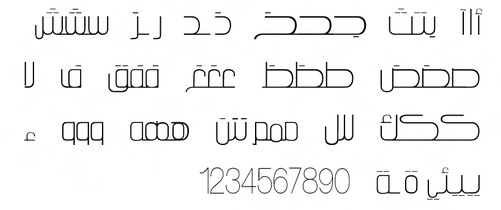
Cairo, Egypt-based designer of the Arabic typeface Arabella (2014), a typeface based on mixing square Kufic and foliate Kufic. She also made an Arabic companion to Kino MT called Kino Arabic (2014), and created ekry (2015), which was designed with tablets and smart phones in mind, thus mixing the fluidity of Naskh and the modernity of a geometric Kufic. [Google] [More] ⦿ | |
Cairo-based designer of the straight-edged Arabic typeface Shape (2015). [Google] [More] ⦿ | |
Art director in Cairo, Egypt, who designed the Arabic typeface Corpo Arabic (2016). [Google] [More] ⦿ | |
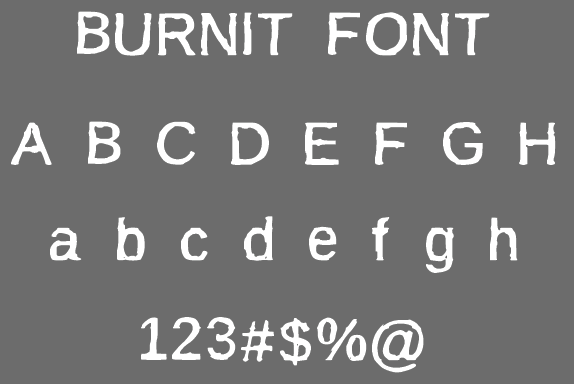
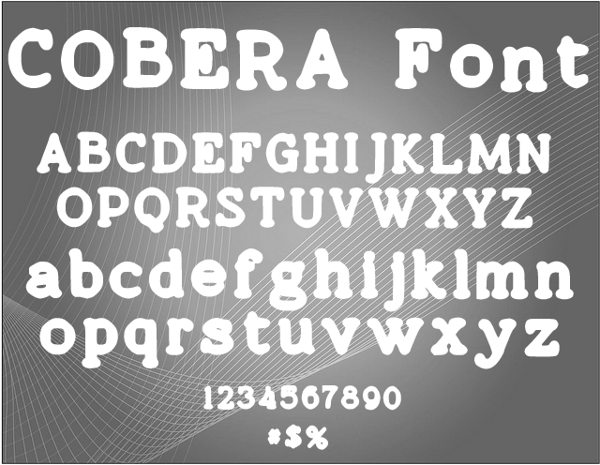
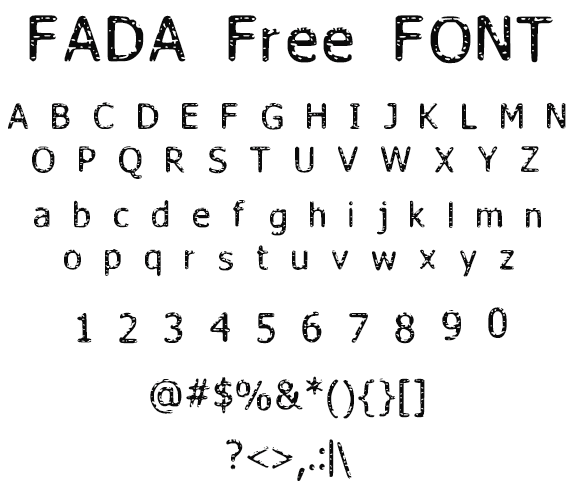
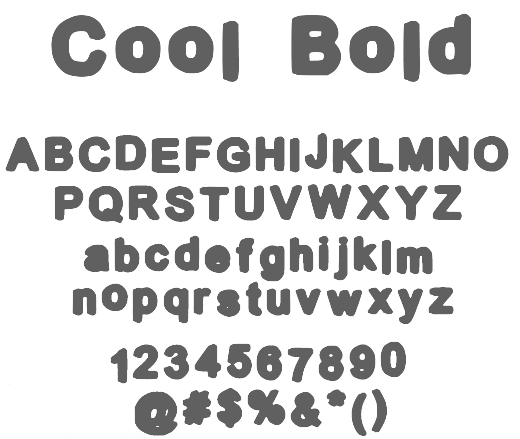
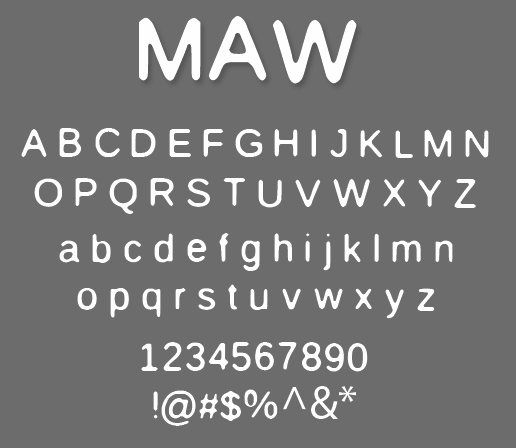
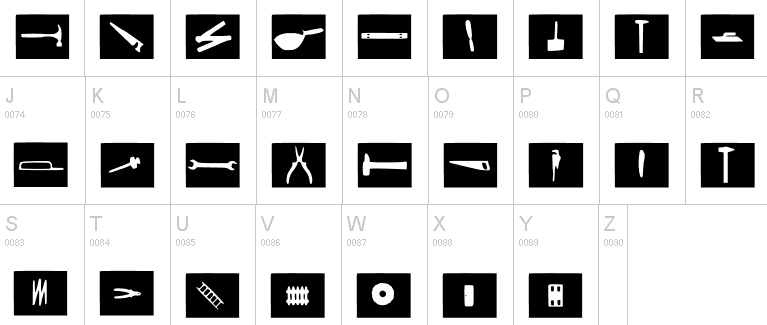
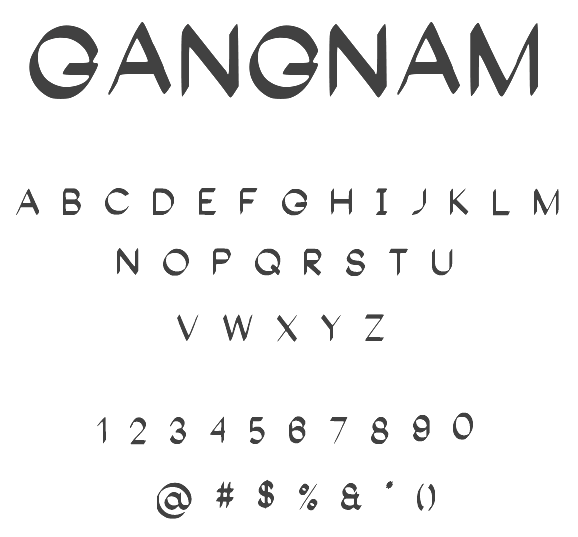
Mansourah, Egypt (and/or New York City)-based designer of the Latin sans typeface Firsta (2012). Now based in New York City, he also designed the free font Burnit (2012), and the rounded typefaces Cobera (2013), Limon (2013), Over Sea (2013), Bazyl (2013), Fada (2013), Fagr (2013), Coll 3D (2013), Cool Bold (2013), Maw (2013), Awesome Outline (2013) and MyBold (2013). He also made Up Down (2013), Carpenter Tools (2013, dingbats), Stop It (2013), Bold Box (2013), Youm (2013), Quick Run (2013), Gangnam (2013), Prison Tattoo (2013), Web Tools (2013, icons), Labels (2013), Social Media Font (2013), Shehab (2013) and Social Font Icons (2013). He runs Fontm.com. Home page. Dafont page. Behance link. Fontspace link. Another Behance link. [Google] [More] ⦿ | |
Bahia Shehab is associate professor of practice of design and founder of the graphic design program at The American University in Cairo where she has developed a full design curriculum mainly focused on visual culture of the Arab world. She obtained a PhD in 2017 from Leiden University, The Netherlands, and a Masters in Arts degree in 2009 from American University in Cairo, Egypt. Designer of Mothalath, which won an award at ProtoType in 2016. [Google] [More] ⦿ | |
Best 76 Free Arabic Typefaces
|
|
| |
During her studies in Cairo, Carole Magued designed the Arabic typeface Marah (2018) and the Latin display typeface Elegole (2018). [Google] [More] ⦿ | |
For a school project in 2012, Chantal Sherif (Cairo, Egypt) created an Arabic version of Otl Aicher's Rotis. She also made Kubic Kufic (2013), an Arabic version of Cube by Fontfabric. [Google] [More] ⦿ | |
At the German University in Cairo, Cheyenne Haytham designed the sans+stencil typeface George Jung (2018). [Google] [More] ⦿ | |
Egyptian designer of Coxa Headline (2011), a geometric typeface in which the Arabic and Latin parts were created in harmony. [Google] [More] ⦿ | |
Or Dalia Abdel Moneim. Cairo, Egypt-based designer of the angular semi-blackletter typeface Oee Regular (2016), which was developed during her studies at German University. She also designed the Arabic typeface Dee Koufi (2017). [Google] [More] ⦿ | |
Designer in Cairo, Egypt. In 2016, she designed the Arabic poster typeface Methali, which is based on Naskh and Diwani scripts. In 2015, she designed the decorative Latin didone typeface Couturier. [Google] [More] ⦿ | |
Cairo-based designer of the Arabic display typeface Pacman (2014). [Google] [More] ⦿ | |
During her studies at German University in Cairo, Dareen Ismail (Doha, Qatar) created the soft-edged Arabic typeface Fankoush (2016). [Google] [More] ⦿ | |
After studies in saint Petersburg, Russia, and now located in Egypt, Daria Volyanskaya designed the funky hand-drawn fat poster typeface family Blue Bubblegum (2016). [Google] [More] ⦿ | |
DecoType
|
In 2009, Thomas Milo received the second Dr. Peter Karow Award for Font Technology&Digital Typography for the development of the ACE layout engine (the heart of the Tasmeem plugin for InDesign ME) for Arabic text setting. The citation reads: Thomas Milo and his company DecoType developed with ACE, which is an acronym for 'Arabic Calligraphic Engine', new advanced technology for Arabic text setting, which needs a far more sophisticated approach than for instance the Latin script, based on a thorough analysis of the Arabic script. Not only served Milo's typographic research as the fundament for the ACE technology, clearly it also formed a basis for the development of the OpenType format, although this is a less known and acknowledged fact. In 2017, he developed the new electronic Mus'haf Muscat at the behest of the Ministry of Endowments and Religious Affairs of the Sultanate of Oman. Speaker at ATypI 2010 in Dublin. Speaker at ATypI 2011 in Reykjavik. Speaker at ATypI 2013 in Amsterdam. MyFonts page. Speaker at ATypI 2008 in St. Petersburg. Personal link. [Google] [MyFonts] [More] ⦿ |
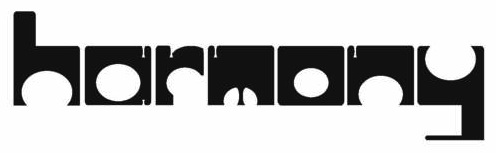
Cairo-based designer of the display typeface Harmony (2012). [Google] [More] ⦿ | |
| |
Donald Mastronarde
| |
Cairo-based designer of a few Arabic typefaces in 2013. [Google] [More] ⦿ | |
Graphic designer in Cairo, Egypt, who created the handcrafted typeface Claise in 2018. [Google] [More] ⦿ | |
During her studies in Cairo, Egypt, Engy Helmy designed the Arabic typeface Mawja (2017) and the Latin connect-the-dots font Transcend (2017). [Google] [More] ⦿ | |
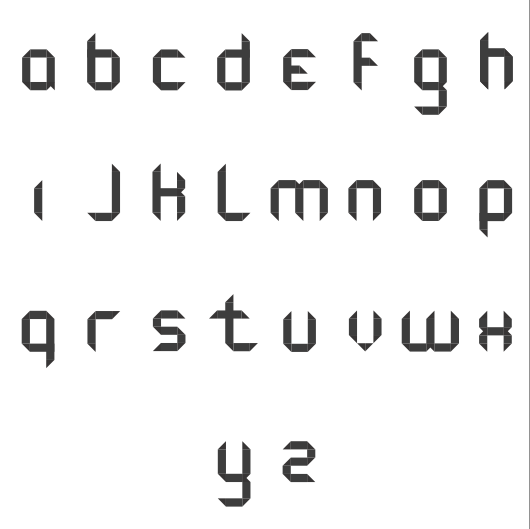
Graphic designer in Cairo who made a folded octagonal Latin typeface in 2012. [Google] [More] ⦿ | |
Cairo, Egypt-based designer of the splashy brushy Latin typeface Naturistic (2016), which was finished during her studies at The German University in Cairo. [Google] [More] ⦿ | |
Eraky
|
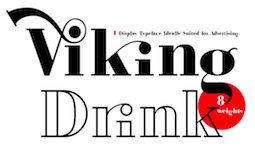
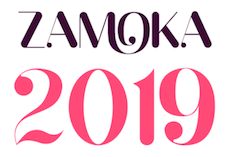
Ahmed Eraqi published Chattelyne (a curly font) at Zet Design. With Nohamad Foda, he designed Luxury Home, a Latin slab serif with lower case letters of unequal x-height, Zamoka (2019: a deco typeface), and Hamis (2019) Hamis Vol 2 (2019), a festive display typeface family. Typefaces from 2020: Hamis Pro (a jazzy piano key typeface), Rigot (a modern fashion mag typeface by Ahmed Eraqi and Nohamad Foda), Tioxo Sans (a poster or logo font by Ahmed Eraqi and Nohamad Foda), Stazin (a striking Arabic / Latin display typeface by Ahmed Eraqi and Nohamad Foda), SolKing (an Arabic typeface by Ahmed Eraqi and Nohamad Foda), British Vehicle JNL (based on the UK license plate font created by Charles Wright in 1935; with Jeff Levine), Viking Drink (an 8-style decorative didone, with accompanying blackboard bold; done with Nohamad Foda). Typefaces from 2021: Foda Egypt (a 12-style serif by Ahmed Eraqi and Nohamad Foda), Foda Slab (2021: an Arabic slab serif by Ahmed Eraqi and Nohamad Foda), Foda Freestyle (an Arabic display font by Ahmed Eraqi and Nohamad Foda), Foda Sans (126 styles, for Latin and Cyrillic, by Ahmed Eraqi and Nohamad Foda), Foda Kufi (by Ahmed Eraqi and Nohamad Foda). Typefaces from 2022: Foda Display (a display typeface for Latin and Arabic by Ahmed Eraqi, Nohamad Foda and Esraa Amer), Quta Rounded (by Ahmed Eraqi, Nohamad Foda and Esraa Amer), Quta (a 10-style sans with a preference for 90-degree junctions in unusual places; by Ahmed Eraqi, Nohamad Foda and Esraa Amer). [Google] [MyFonts] [More] ⦿ |
Cairo-based designer of the Latin display typeface Glosszilla (2015). [Google] [More] ⦿ | |
Cairo-based designer of a blackletter and a squarish Arabic typeface in 2014. She also created some pictograms in 2014. [Google] [More] ⦿ | |
Egyptian graphic designer. Typefaces from 2022: Foda Display (a display typeface for Latin and Arabic by Ahmed Eraqi, Nohamad Foda and Esraa Amer), Quta Rounded (by Ahmed Eraqi, Nohamad Foda and Esraa Amer), Quta (a 10-style sans with a preference for 90-degree junctions in unusual places; by Ahmed Eraqi, Nohamad Foda and Esraa Amer). [Google] [MyFonts] [More] ⦿ | |
Fadhl Waliy Ul Haqq
| |
At the German Universit in Cairo, Farah Elkouny designed the Arabic typeface Samiha Azmy (2018) and the Latin display typeface Garfield (2018). [Google] [More] ⦿ | |
Cairo, Egypt-based designer of the Arabic display typeface Bateekh (2017). [Google] [More] ⦿ | |
Cairo, Egypt-based designer of a modular geometric Arabic typeface in 2014, which was finished during her studies at the American University in Cairo. [Google] [More] ⦿ | |
| |
During her studies at American University in Cairo, Egypt, farah Wael designed the hexagonal Arabic typeface Hexa (2016). [Google] [More] ⦿ | |
Farahat Design
| Alexandria, Egypt-based designer of the free Arabic typeface Shareb (2020), the free Arabic typeface Blue Ocean (2017), and the geometric Arabic display typeface Araboto (2020). Typefaces from 2021: Zokak (an 18-style condensed Arabic typeface). Typefaces from 2022: Shareb Pro Arabic (an improvement of the Latin / Arabic typeface Shareb; by Abdelrahman Farahat and Tarek Alsawwa). Behance link for Farahat Design. [Google] [MyFonts] [More] ⦿ |
Al-Sheikh Zayed, Egypt-based designer of the Arabic display typeface Muthalath (2017) and the Arabic text typeface Aqua (2018). [Google] [More] ⦿ | |
Fo Da
|
Typefaces from 2020: Hamis Pro (a jazzy piano key typeface), Rigot (a modern fashion mag typeface by Ahmed Eraqi and Nohamad Foda), Tioxo Sans (a poster or logo font by Ahmed Eraqi and Nohamad Foda), Stazin (a striking Arabic / Latin display typeface by Ahmed Eraqi and Nohamad Foda), SolKing (an Arabic typeface by Ahmed Eraqi and Nohamad Foda), Viking Drink (an 8-style decorative didone, with accompanying blackboard bold; done with Ahmed Eraqi). Typefaces from 2021: Foda Egypt (a 12-style serif by Ahmed Eraqi and Nohamad Foda), Foda Slab (2021: an Arabic slab serif by Ahmed Eraqi and Nohamad Foda), Foda Freestyle (an Arabic display font by Ahmed Eraqi and Nohamad Foda), Foda Sans (126 styles, for Latin and Cyrillic, by Ahmed Eraqi and Nohamad Foda), Foda Kufi (by Ahmed Eraqi and Nohamad Foda). Typefaces from 2022: Foda Display (a display typeface for Latin and Arabic by Ahmed Eraqi, Nohamad Foda and Esraa Amer), Quta Rounded (by Ahmed Eraqi, Nohamad Foda and Esraa Amer), Quta (a 10-style sans with a preference for 90-degree junctions in unusual places; by Ahmed Eraqi, Nohamad Foda and Esraa Amer). [Google] [MyFonts] [More] ⦿ |
Free font archive, started up in 2012 by Ayman Hafez in Cairo. Google Plus link. [Google] [More] ⦿ | |
Or Gjoss. Egyptian designer of the vertically striped typeface Blindsh (2018), the blocky typeface Black White Block (2018), and the textured patterned typefaces Mecanix (2018) and Sqells (2018). [Google] [More] ⦿ | |
New Cairo, Egypt-based designer of the triangular typeface Map My Art (2017). Behance link. [Google] [More] ⦿ | |
Cairo-based designer of Arabic typefaces, including one based upon the squarish Latin typeface Etobicoke (2012). [Google] [More] ⦿ | |
Granci Graphics
| Cairo, Egypt-based designer of the thin handcrafted typeface Smooth (2018). [Google] [More] ⦿ |
| |
Habiba Ayad
| Cairo, Egypt-based designer of a display typeface in 2018. [Google] [More] ⦿ |
During her graphic design studies at Gaza Arts University, Cairo-based Habiba El Gendy created the experimental geometric Latin / Arabic typeface Arkan (2014), and the crispy Arabic typeface Habiba (2016). Behance link. Home page. [Google] [More] ⦿ | |
During her studies in Cairo, Egypt, Habiba Emad designed the curly Latin typeface Ruve (2016). [Google] [More] ⦿ | |
Habiba Hesham
| |
During her studies at the German University in Cairo, Habiba Tarek designed the Arabic display typeface Khaleet (2017). [Google] [More] ⦿ | |
Hadeer Omar has a BFA in Graphic Design from Virginia Commonwealth University. Behance link. She created the squarish Arabic typeface Lefeen (2010). It is unclear if this is the same as the design agency Elfekra in Alexandria, Egypt---they also show a squarish typeface called Lefeen. [Google] [More] ⦿ | |
Hadi Type Studio
| Egyptian designer of the Arabic typefaces HT Qays Sans (2019) and HT Quays Slab (2010). [Google] [MyFonts] [More] ⦿ |
Graphic designer in Cairo, Egypt, who created Coco (2019), which was inspired by the movie character Hector in the Disney movie Coco (2017). [Google] [More] ⦿ | |
During his studies at German University of Cairo, Hala Gamal Zakaria Moustafa designed the Arabic display typeface Fshar for popcorn street cars in Cairo, Egypt. It was inspired by the shape of popcorn. [Google] [More] ⦿ | |
Egyptian designer of the terminal-laden typeface Amelie (2017), which was inspired by the movie. [Google] [More] ⦿ | |
Student in Cairo who designed an Arabic font in 2012. [Google] [More] ⦿ | |
Cairo, Egypt-based designer of the experimental Latin typeface Viktor Navorski in 2019. [Google] [More] ⦿ | |
At German University in Cairo in 2017, Hana Neuman designed the monoline organic sans typeface Trails. [Google] [More] ⦿ | |
| |
Hurghada, Egypt-based designer of the free handcrafted typeface Kiwi (2016) and the free handcrafted poster typeface Tython (2016). In 2016, he published the free handcrafted typeface Claws. He also made tweetware vector format icons. Behance link. [Google] [More] ⦿ | |
Tanta, Egypt-based designer of a free experimental decorative Latin all-caps typeface called Polygonal (2015). [Google] [More] ⦿ | |
Heheh Type
| Heheh Type is an Arabic type design collective based in Cairo that was founded by Nour El Shamy (who graduated from German University in Cairo), Shahd El Sabbagh and Manuel von Gebhardi in 2020. Their typefaces:
Nour El Shamy designed the Arabic typefaces Koffar (2018) and Ghareeb some time before Dobb, as well as the Latin display typeface Ayakashi (2017). Future Fonts link. Cargo Collective link for Nour El Shamy. [Google] [More] ⦿ |
Cairo, Egypt-based student-designer of an angular Latin typeface in 2016. [Google] [More] ⦿ | |
Student in Alexandria, Egypt, who designed Kunn Arabic in 2015. [Google] [More] ⦿ | |
Cairo-based designer of the Kufic Arabic typeface Madghout (2019). [Google] [More] ⦿ | |
Cairo, Egypt-based designer of some interesting typographic pieces in 2017. [Google] [More] ⦿ | |
Ibrahim Hamdi
| |
Giza, Egypt-based creator of modern Arabic typefaces in 2012-2013. [Google] [More] ⦿ | |
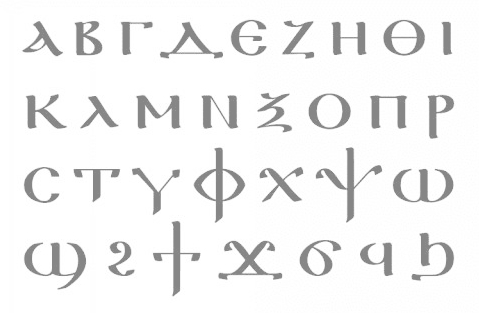
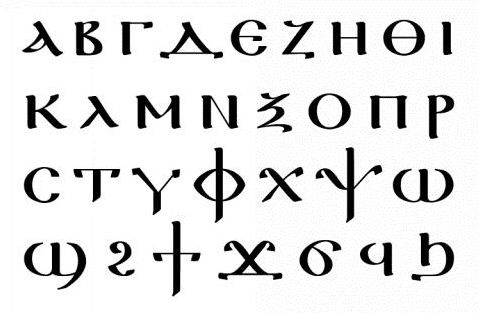
At the IFAO (Institut Francais d'Archeologie Orientale in Cairo, Egypt), one can find the free fonts IFAO Grec (2002) and IFAO N Copte (2008, by Jonathan Perez). [Google] [More] ⦿ | |
Turkish graphic designer and painter, b. 1898, Cairo, d. 1986, Istanbul, who was well-known for his posters which were heavily influenced by German Gebrauchsgrafik, and in particular by Ludwig Hohlwein of Munich, a city in which he studied for five years. He is considered by many as the father of modern Turkish graphic design. Wiki: Ihap Hulusi's father was a well-known architect in Cairo and he wanted his son become a successful diplomat. For this Ihap Hulusi was sent to English schools in Cairo. However, his primary interest was in painting. In the meantime, he took lessons in painting by mail from Germany. In 1920, after graduating from the high school, Ihap Hulusi went to Munich, Germany, and studied painting for five years specializing in illustrations. Following his return, İhap Hulusi's father enrolled him to the Ministry of Foreign Affairs in Istanbul against his will. So Ihap Hulusi dropped off after a while and devoted himself to commercial graphic art. He worked for 45 years as a ticket designer for the Turkish State lottery. He designed the bottle labels of various products of the Turkish State Monopoly for 35 years. In addition, he illustrated posters for the famous brands like the British whisky John Haig, Italian Cinzano and Fernet Branca. [Google] [More] ⦿ | |
Cairo-based designer of the modular typeface Cubic (2014) and of Anchor (2014). [Google] [More] ⦿ | |
At American University in Cairo, Ingy Fawzy designed the Arabic display typeface Comic in 2018. [Google] [More] ⦿ | |
Egyptian graphic designer based in Bayonne, NJ. Creator of the grungy display typeface Gutthiuda (2016). [Google] [More] ⦿ | |
Cairo-based designer and typographer. He created a nice typographic ampersand in 2011. [Google] [More] ⦿ | |
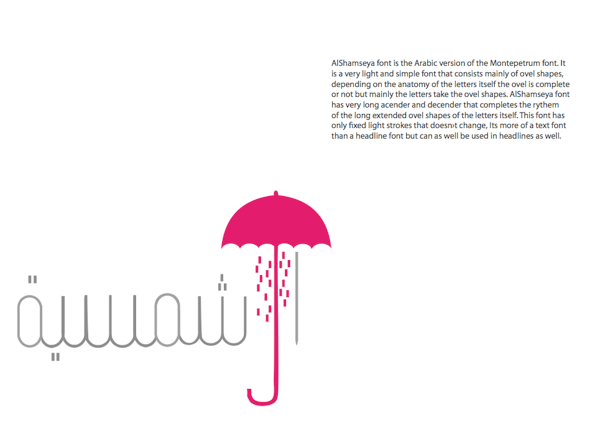
Cairo-based designer of the Arabic display typefaces UNO (2015), Jamine (2015), Al Shamseya (2015, based on Latin), Jeo (2015) and Al Madina (2014). [Google] [More] ⦿ | |
Jonathan Perez
| |
Tanta, Egypt-based Arabic typeface foundry. Creators of the Arabic signage typeface Jozoor (2013). Ramadan (2013) is a free set of Arabic fonts in AI format. Behance link. [Google] [More] ⦿ | |
Curitiba, Brazil-based designer of the extreme contrast typeface Ludlow VT (2015). [Google] [More] ⦿ | |
Kamal Mansour, educated in Cairo, used to run Kappa Type in Palo Alto, CA, and was involved in software, fonts and keyboards for some languages. Thereafter, he joined Monotype in 1996 where he is now involved in OpenType implementations for various scripts including Latin, Arabic, and Hebrew. At Monotype, from his base in Los Altos, CA, his responsibilities includes growing the library of non-Latin scripts, investigating potential products, in-house consulting, as well as assisting customers with font specifications. He spoke at ATypI 2005 in Helsinki on Nastaliq style through open type, about which he writes: Designed by Pakistani calligrapher Mirza Jamil, Noori Nastaliq is a calligraphic Urdu script typeface originally devised for use on a Monotype imagesetter in the 1970s. Once this proprietary equipment became obsolete, Noori Nastaliq could not be readily implemented for many years with the digital technology at the time. With the advent and maturation of OpenType technology, Noori Nastaliq is once again alive. In spite of the many graphic complexities of Nastaliq style such as its oblique alignment to the baseline and its cursive connections, OpenType proved sufficient for the task. In 2015, Patrick Giasson and Kamal Mansour co-designed the Arabic script typeface Bustani at Monotype. Bustani is the first OpenType font to offer full classical Naskh contextual shaping. It covers Arabic, Farsi and Urdu. Bustani won an award at TDC 2016. Speaker at TypeCon 2012 in Milwaukee and at ATypI 2015 in Sao Paulo. [Google] [MyFonts] [More] ⦿ | |
Egyptian graphic designer who made some wonderful Arabic language book covers in 2013. [Google] [More] ⦿ | |
Cairo-based art director who created Beeaty (2007-2011; experimental Arabic). Home page. [Google] [More] ⦿ | |
Artist and designer in Cairo, Egypt. She designed the Arabic typeface Harankash in 2015, which was inspired by the baobab fruit in Mauritania. [Google] [More] ⦿ | |
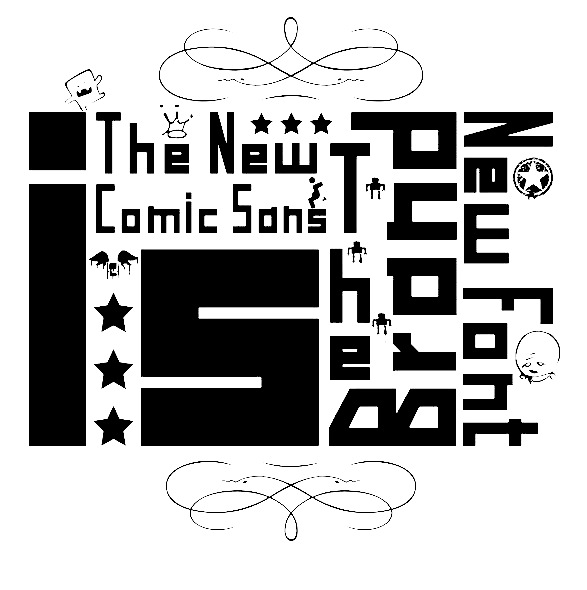
Cairo-based designer of the squarish typeface New Comic Sans (2014). [Google] [More] ⦿ | |
Khaled Hosny
|
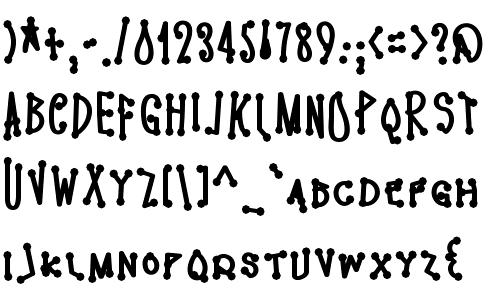
Designer of Punk Nova (2010), a free OpenType implementation of Don Knuth's Punk font, based on modified Metapost sources by Taco Hoekwater and Hans Hagan, dating from 2008. Hosny writes: Punk is a dynamic font, every time a glyph is requested Matafont draws a unique instance of it. On the other hand, OpenType is static, glyph outlines are drawn once and stored in the font and the renderer can not alter those outlines. To emulate the dynamic nature of Punk, we generate several alternate shapes of each glyph and store them in the font. Alternate shapes are mapped to the base character using OpenType [Randomize] feature (rand), which tells the renderer to select glyphs randomly from the list of alternate shapes. Pick up the free Punk Nova from CTAN or Open Font Library. XITS (2011) is a Times-like typeface for mathematical and scientific publishing, based on STIX fonts. The main mission of XITS is to provide a version of STIX fonts enriched with the OpenType MATH extension, making it suitable for high quality mathematic typesetting with OpenType MATH capable layout systems, like MS Office 2007 and the new TeX engines XeTeX and LuaTeX. This free OFL package was developed by Khaled Hosny. Inside the fonts, we read Copyright (c) 2001-2010 by the STI Pub Companies, consisting of the American Chemical Society, the American Institute of Physics, the American Mathematical Society, the American Physical Society, Elsevier, Inc., and The Institute of Electrical and Electronic Engineers, Inc. Portions copyright (c) 1998-2003 by MicroPress, Inc. Portions copyright (c) 1990 by Elsevier, Inc. Euler OTF (2010) are OpenType Math fonts based on Hermann Zapf's Euler and implemented by Taco Hoekwater, Hans Hagen, and Khaled Hosny. Named Neo-Euler (2009-2010), it covers Latin, Greek and has a full blackletter set of glyphs. Copyright Hosny and the American Mathematical Society. Open Font Library link. In 2010-2011, Hosny developed the free Amiri font (OFL; dedicated web page): Amiri font is an open font revival of the Arabic Naskh typeface designed and first used by Bulaq Press in Cairo (also known as Amiria Press) in the early part of the twentieth century. Amiri's uniqueness comes from its superb balance between the beauty of Naskh calligraphy and the requirements of elegant typography. Amiri is most suitable for running text and book printing. See also CTAN, Google Web Fonts, and at OFL. Dedicated web page. In 2015, he created the free calligraphic Arabic typeface (in Ruqaa style) Aref Ruqaa. The Latin part is based on AMS Euler. Google Fonts link. In 2015, Khaled Hosny and Santiago Orozco cooperated on the Latin / Arabic typeface Reem Kufi. Github link. Khaled, who designed the Arabic part, explains: Reem Kufi is a Fatimid-style decorative Kufic typeface, as seen in the historical mosques of Cairo. It is largely based on the Kufic designs of the late master of Arabic calligraphy, Mohammed Abdul Qadir, who revived this art in the 20th century and formalized its rules. In 2016, Khaled Hosny designed Mada (Google Fonts), a modernist, unmodulated Arabic typeface inspired by road signage seen around Cairo, Egypt. The Latin component is a slightly modified version of Source Sans Pro, led by Paul Hunt at Adobe Type. Khaled Hosny contributed to and maintained the free Libertinus font package between 2012 and 2020. In 2021, Hosny released Qahiri at Google Fonts and Github. Qahiri is a Kufic ypeface based on the modernized and regularized old manuscript Kufic calligraphy style of the late master of Arabic calligraphy, Mohammad Abdul Qadir. Github link. [Google] [More] ⦿ |
Khaled Hosny
| |
Kholoud Essawy
| |
Kief Type
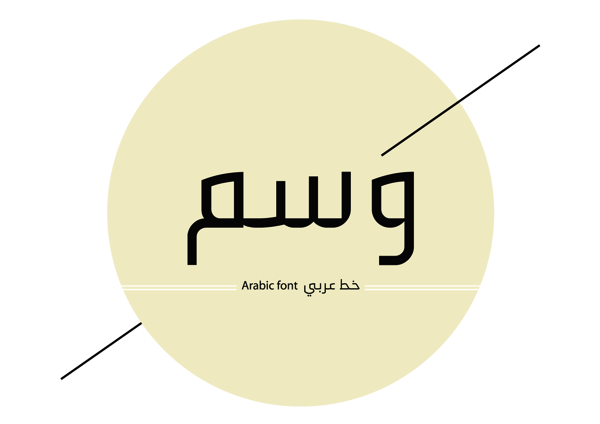
| Cairo-based visual artist who created the Arabic script typefaces Wasm (2013) and Fold Type (2012). In 2016, he designed the Google Font Cairo, which extends Titillium Web so as to include Arabic, Urdu and Farsi. Google Font link. Cairo won an award at Granshan 2016. In 2016, he also aided with the Arabic for Eduardo Tunni's Changa. He extended Jovanny Lemonad's Latin / Cyrillic typeface Philosopher in 2016 to Arabic in his Google Font El Messiri (Github link; Open Font Library link). Lemonada (2016, a Google Font based on Tunni's Lemon) is a modern Arabic and Latin typeface family designed by Mohamed Gaber (Arabic) and Eduardo Tunni (Latin). Behance link. Google Plus link. Home page of Mohamed Gaber. Behance link for Kief Type. [Google] [More] ⦿ |
Graphic designer in Cairo, Egypt, who created the squarish Arabic typefaces Khoyot (2014) and Block (2014). [Google] [More] ⦿ | |
Egyptian creator in Cairo of a geometrically constructed Arabic font (2012). She also made an experimental 3d Latin typeface in 2012. [Google] [More] ⦿ | |
Graduate of the German University in Cairo, Egypt. In 2015, still based in Cairo, she created Bebas Neue Arabic. Mostateel (2015) is a rounded rectangular Arabic typeface. In 2016, she made an Arabic typeface that is based on Raleway, and an experimental squarish Arabic typeface. [Google] [More] ⦿ | |
At American University in Cairo, Lana kurdi designed the squarish Arabic display typeface Khareq (2018). [Google] [More] ⦿ | |
During her studies in Cairo, Egypt, Lujain Al Anany designed an Arabic and a Latin typeface (2018). [Google] [More] ⦿ | |
Egyptian designer of the Arabic typeface Moga Magdy Soliman (2012, Zak Design). [Google] [More] ⦿ | |
Egyptian designer of the lava lamp typeface Curvey (2017) for Latin and Arabic. [Google] [More] ⦿ | |
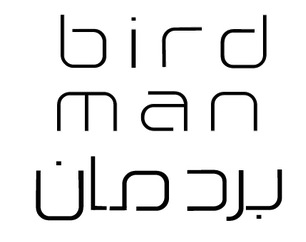
Cairo-based graphic designer. Creator of Bird Man (2012, a simple sans) and some Arabic typefaces. [Google] [More] ⦿ | |
| |
Mahmoud Abd El-Ghany
| |
Mahmoud Hamdy joined Dalton Maag in the summer of 2009. He works there on Arabic fonts for both their Exclusives library and custom clients. Mahmoud is based in Cairo, Egypt, where he previously ran the successful graphic design firm FC studio. [Google] [More] ⦿ | |
Alexandria, Egypt-based designer of Koumi (2015), a squarish Arabic typeface. [Google] [More] ⦿ | |
During his studies at German University in Cairo, Egypt, Ma El-Maraghi created the Arabic typeface Akkad (2015), which was inspired by the cuneiform writing in Iraq. [Google] [More] ⦿ | |
Makyn
| Kholoud Khaled Essawy is an Egyptian type and graphic designer who teaches Arabic and Latin type design at the German University in Cairo. She graduated with a BA degree in graphic design in 2013 and an MA degree in type design in 2015. In 20201, she set up her own typefoundry, Makyn. Her typefaces: [Google] [MyFonts] [More] ⦿ |
Manfred Klein
| |
Manfred Klein: Egypt
|
Download page. Download all these fonts in onze zip file. [Google] [MyFonts] [More] ⦿ |
In 2020, he co-founded the Arabic type design collective Heheh Type in 2020 together with Nour El Shamy and Shahd El Sabbagh. [Google] [More] ⦿ | |
Cairo, Egypt-based designer of the Peignotian typeface Satunni (2015). [Google] [More] ⦿ | |
| |
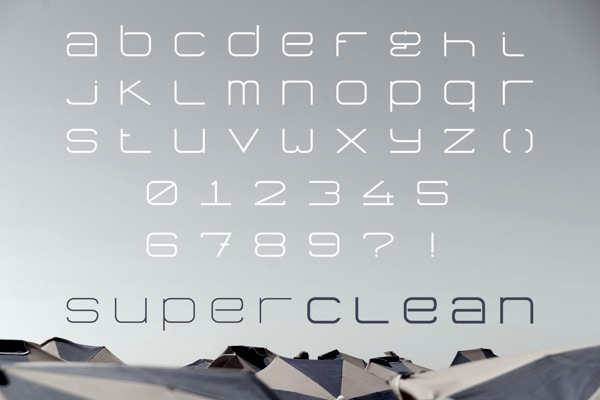
Freelance graphic designer in Dublin, who created the chalky script typeface English Breakfast (2013) and the techno typeface Superclean (2013). [Google] [More] ⦿ | |
During her studies in Cairo, Maria Guirguis designed the Arabic typefaces Baskerville Arabic (2018) and Kebty (2017). [Google] [More] ⦿ | |
Cairo, Egypt-based designer of an arabic typeface (2018) and a Latin display typeface called Maleficent (2018). [Google] [More] ⦿ | |
Cairo, Egypt-based designer of an Arabic typeface and a Latin typeface (called Phoebe) in 2018. [Google] [More] ⦿ | |
Cairo, Egypt-based designer of the multistroke typeface Alloy (2017). [Google] [More] ⦿ | |
Mariam Rustom (Cairo) designed an Arabic typeface in 2012. She graduated from the German University in Cairo. [Google] [More] ⦿ | |
Graphic and web designer in Cairo. Creator of the Arabic typeface Antika (2012). [Google] [More] ⦿ | |
Graphic designer in Cairo who made an untitled Arabic typeface in 2013. [Google] [More] ⦿ | |
Krasnoyarsk, Russia-based designer of Circus Font (2014). [Google] [More] ⦿ | |
| |
Creative designer in Cairo, who made the monolibe Latin display typeface Purinteen (2016). [Google] [More] ⦿ | |
Graphic designer in Cairo, Egypt, who created a squarish kufic Arabic typeface and American Typewriter Arabic in 2016. [Google] [More] ⦿ | |
Cairo, Egypt-based designer of a few Arabic typefaces in 2015. [Google] [More] ⦿ | |
Sheffield, UK-based designer of State (2013). He writes: Designed for an independent newspaper in Egypt, it comes in three grades: Regular, Distressed and Smooth. These grades can be used interchangeably within the newspaper to pass comment on the content of the articles set in them. Stories which show Egypt to be progressive or democratic would be set in Smooth; whereas articles which show it to be less so would be set in Distressed. Regular fits everything in-between. [Google] [More] ⦿ | |
As a student in Cairo, Egypt, may Hassan designed Djibouti (2015) is a geometric Arabic typeface, inspired by the geometric Kufic script and adapted to fit the Djiboutian culture. [Google] [More] ⦿ | |
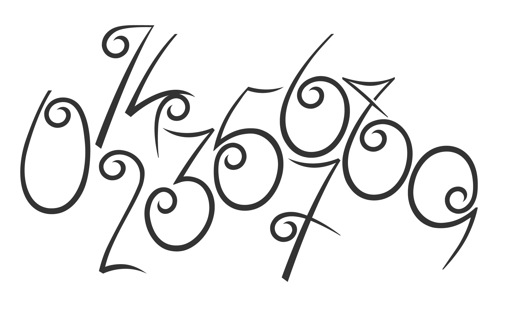
Maya Habbad, a Syrian graphic designer who graduated in Damascus but lives in Cairo, and Majdi Alkuzbari (Damascus, Syria) created a set of numbers called Spiral Numbers (2013). [Google] [More] ⦿ | |
While studying in Cairo, Egypt, Menna Abbas created the thin Latin display typeface Emerlad (2014). [Google] [More] ⦿ | |
Menna Yasser
| |
As a student at German University in Cairo, Menna Zaki designed Fight Club (2018) and the Arabic typeface El Lemby (2018). [Google] [More] ⦿ | |
During her studies at the German University of Cairo, Merna Ayman created an untitled Arabic typeface, as well as the modular Latin typefaces Valiant (2014, FontStruct), Height (2014) and Elite (2014). [Google] [More] ⦿ | |
Cairo, Egypt-based designer of the Latin display typeface Kufi (2017). Behance link. [Google] [More] ⦿ | |
At German University in Cairo, Miral Amr designed the display typeface Minara (2015). In 2016, he created the TV caption Arabic font LCD. [Google] [More] ⦿ | |
Cairo-based designer of the dagger style Arabic typeface Ahram (2015) and the organic typeface Seaside (2017). [Google] [More] ⦿ | |
Egyptian designer of an Arabic typeface in 2016. [Google] [More] ⦿ | |
| |
Born in Egypt, Moataz Ahmed now lives in Stamford, CT. In 2018, he designed the free curly text typeface Teach. Aka Motizzy. [Google] [More] ⦿ | |
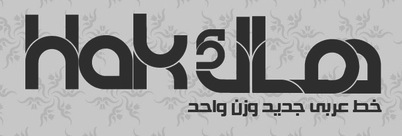
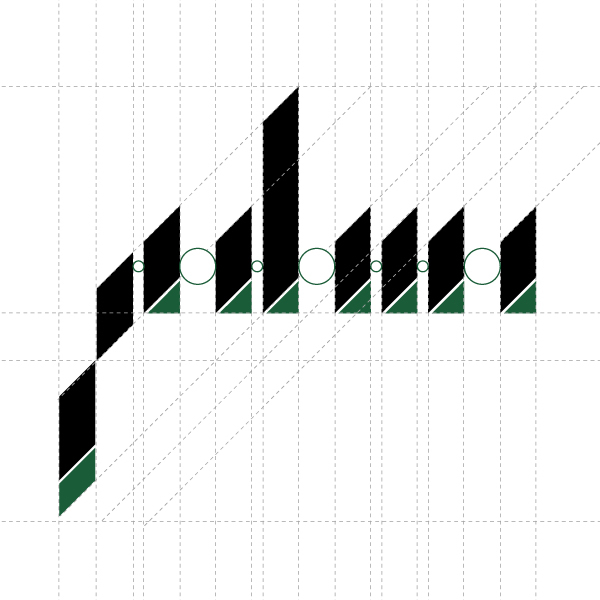
Cairo-based designer of the Arabic typeface Hak (2012). [Google] [More] ⦿ | |
| |
Cairo, Egypt-based designer of the experimental Arabic font Tasleem (2011). [Google] [More] ⦿ | |
Mohamed Gaber
| |
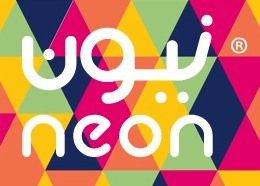
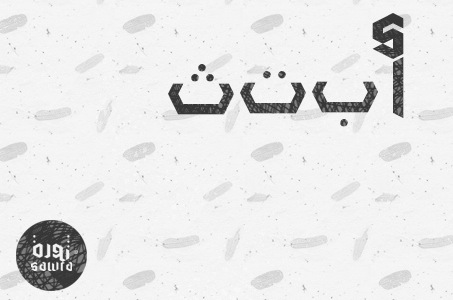
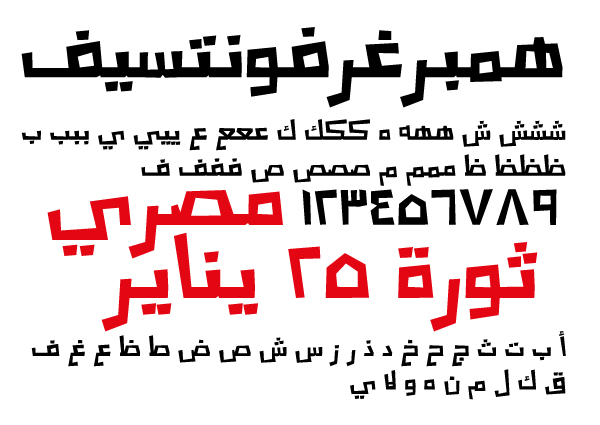
Tanta / Cairo, Egypt-based designer of a Latin/ Arabic logotype called Neon, of the Arabic typeface Tiwen (2013), of a rounded Arabic typeface called Anas (2012), and of the Arabic techno fonts Bono and Sawra in 2013. [Google] [More] ⦿ | |
Behance link. [Google] [More] ⦿ | |
Graphic designer in Cairo, Egypt, who created Quadrilateral (2016), a free experimental Latin typeface obtained by superimposing parallelepids. He also designed the free font AX Curvature (2016). [Google] [More] ⦿ | |
Mohammad Esmat Abdullhalem
| |
Giza, Egypt-based designer of the free Latin / Arabic blackboard bold typeface MaxType (2016), the free Maze Font (2016, a multiline Arabic typeface), and the free Arabic dot matrix typeface Dofi (2016). In 2017, he published the free font Arabic Cabo, and in 2018 Mutawazi. | |
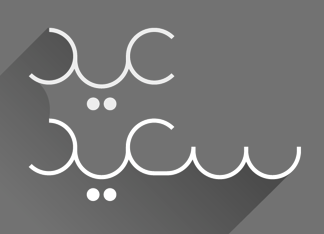
Graphic and type designer in Doha, Qatar, where he runs e-studio. In 2010, he designed a type family for both Latin and Arabic called Delta Doha, named after the oil equipment company that commissioned the typefaces. In 2013, we find him in Alexandria, Egypt, where he speclaizes in brand and logo designs. Eid Arabic (2013) is a geometric display typeface for Eid Greeting Cards. [Google] [More] ⦿ | |
Wadi Hof, Egypt-based graphic designer, who created the squrish Latin typeface Squarify (2017). [Google] [More] ⦿ | |
Cairo, Egypt-based designer of the clean all caps sans typeface Bavro (2017). [Google] [More] ⦿ | |
Cairo, Egypt-based designer of the free basic sans typeface Tinov (2015). [Google] [More] ⦿ | |
Cairo, Egypt-based designer of the Latin / Arabic comic book typeface family Layn (2017). [Google] [More] ⦿ | |
Cairo, Egypt-based designer of the black Arabic display typeface Mikha (2019). [Google] [More] ⦿ | |
At German University in Cairo, Egypt, Monica Sami designed the hulking typeface Ben (2018). [Google] [More] ⦿ | |
Moody Type
| Cairo, Egypt-based designer of the icon set Inktober 2020 (2020; some are Trump-era icons), the condensed gothic typeface family Barbaros (2020) and the Arabic typeface family Gali Modern (2019), which was inspired by classic Arabic Thuluth calligraphy. [Google] [MyFonts] [More] ⦿ |
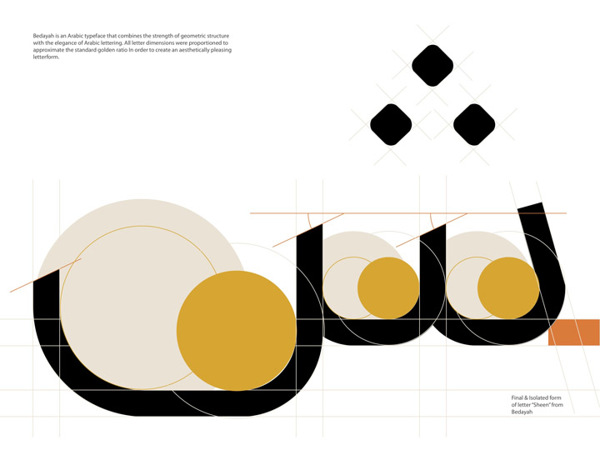
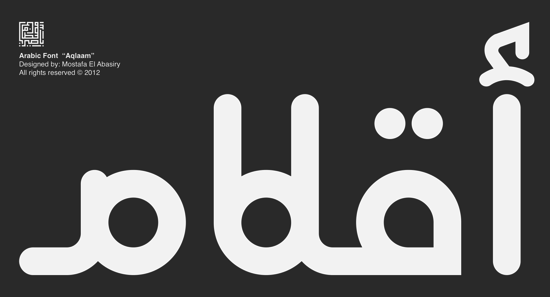
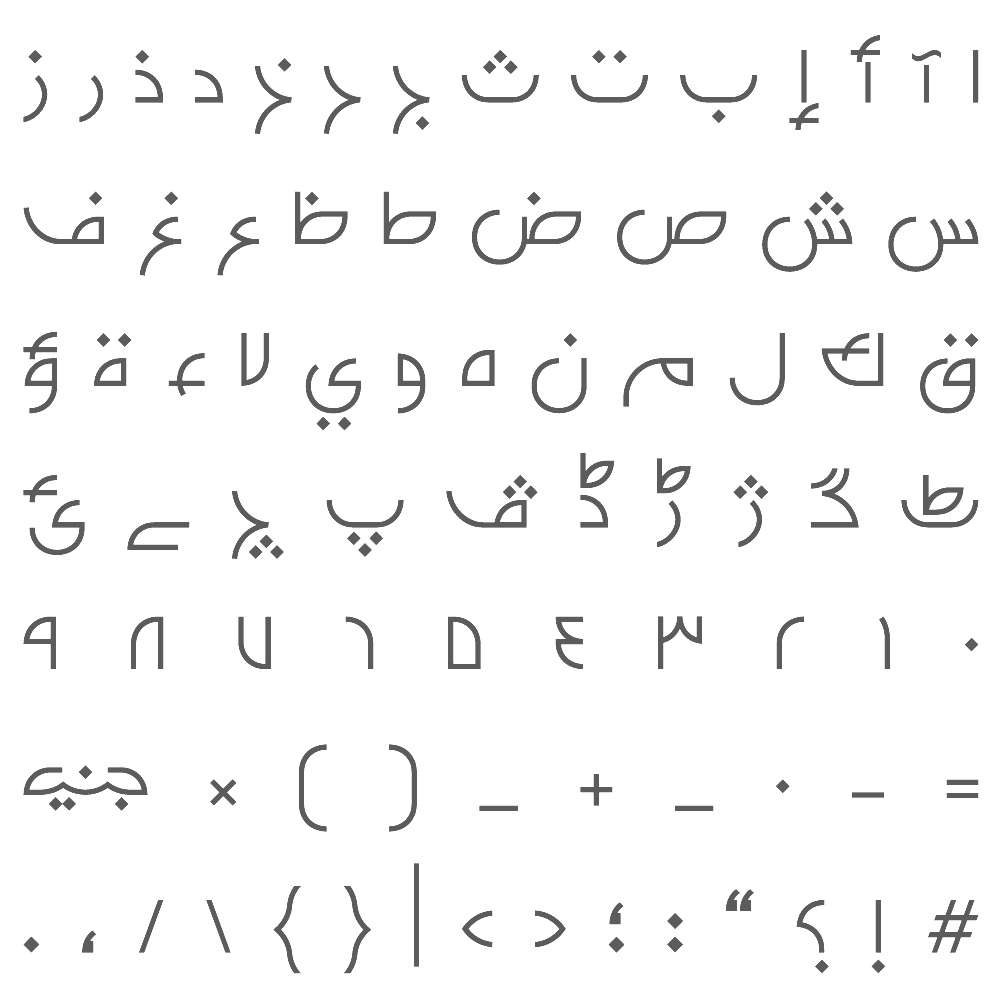
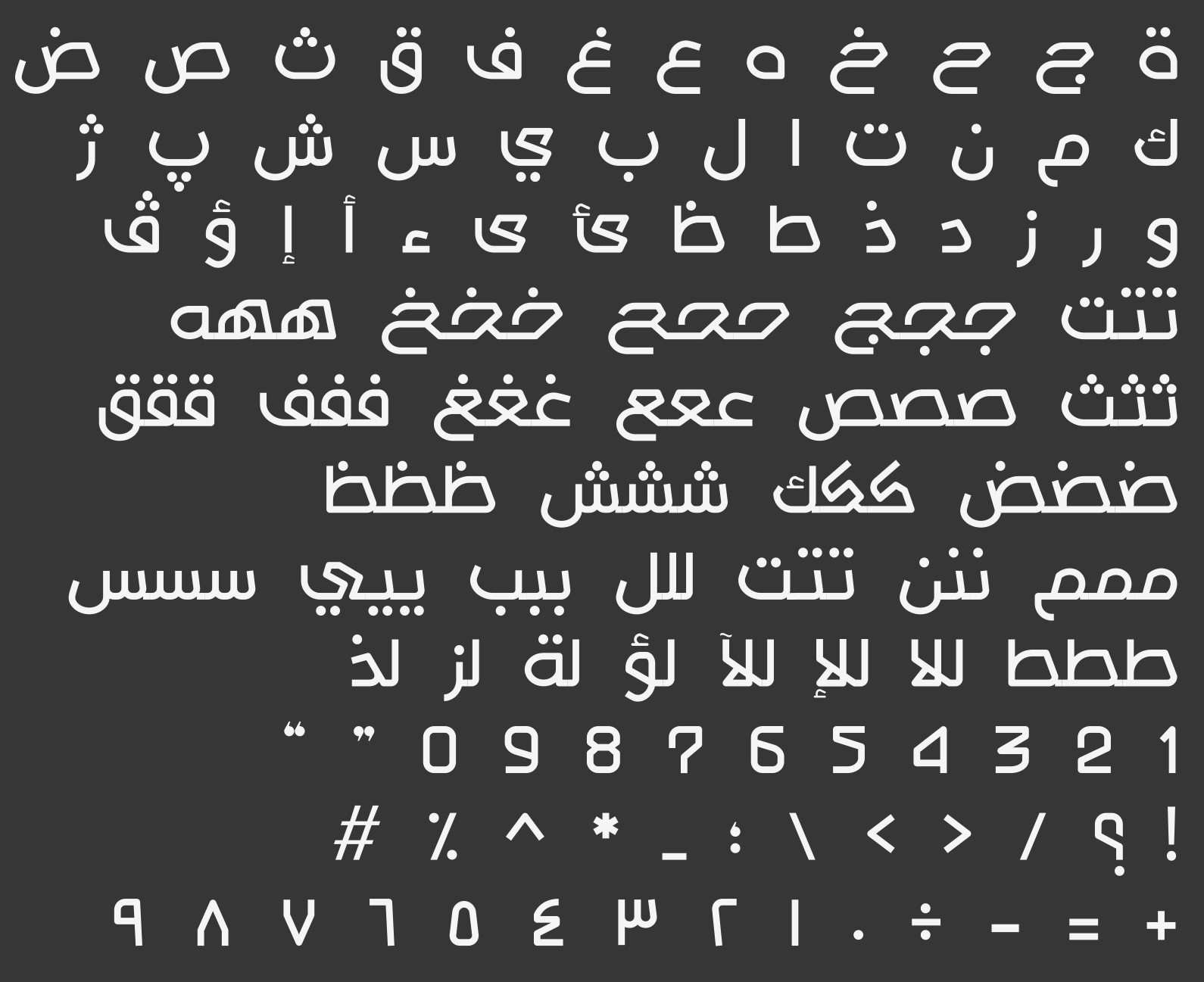
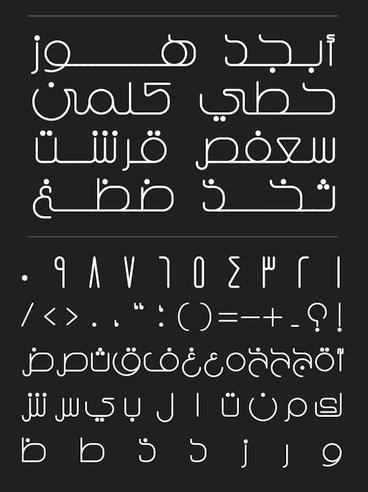
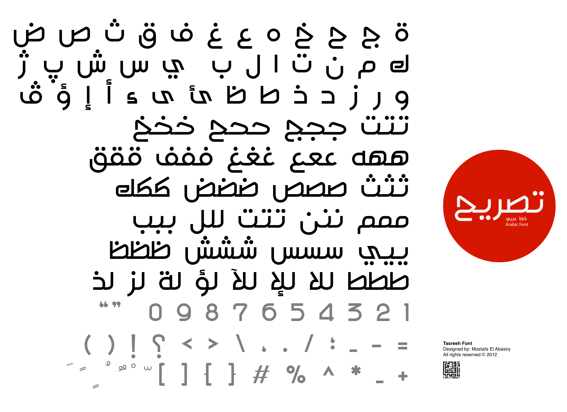
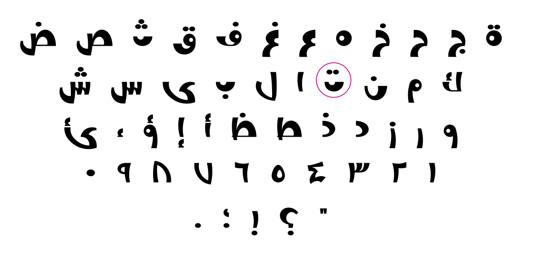
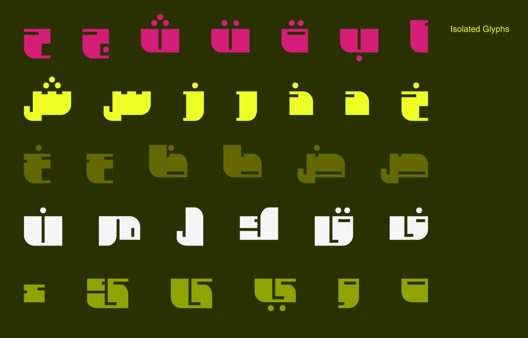
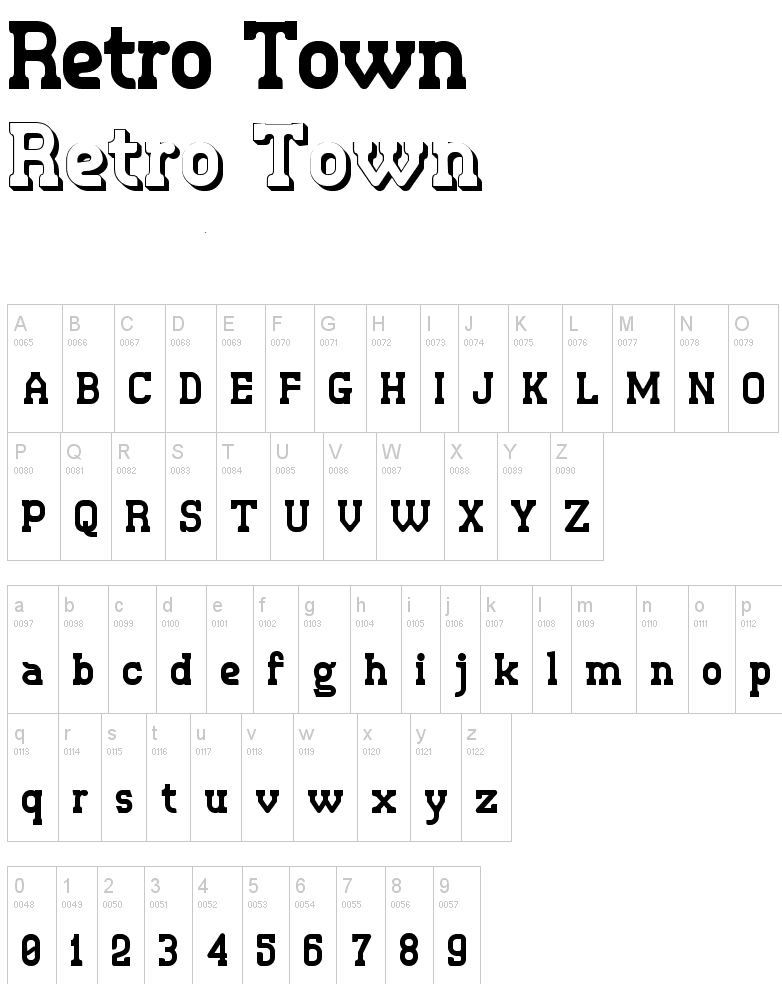
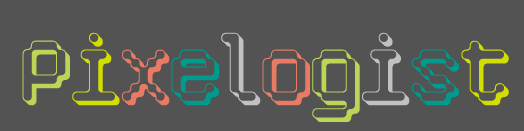
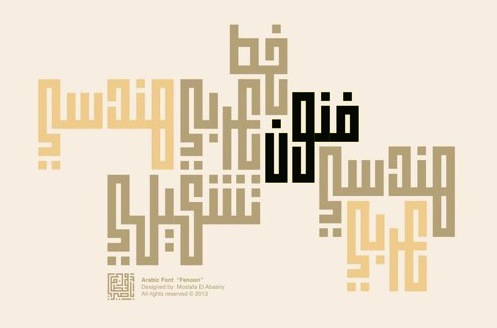
Typefaces from 2022: Mahbook. Typefaces from 2021: Mareh, Tashweeq (a truly spectacular Arabic typeface in which glyph is a piece of modern geometric art), Mithqal, Dardashah (an inline Arabic display typeface), Lakhbatah, Lafet, Hawadeet, Caricaturey (a comical and comic book font), Mopaxel (a pixelish color font), Teraaz, Tashweesh (pixelish), Najmy, Rakan. Typefaces from 2020: Tashkeel (a color font), Talasem, Naghamah (a children's book font), Qafashat, Makana (a fat display typeface), Shakhabeet, Meshkal (Arabic for kaleidoscope: an Arabic display font that is inspired by the kaleidoscopic geometries), Kahraman. Typefaces from 2019: Mostaqbali, Wafir (condensed), Modhesh, Graffitica, Lamhah, Lattouf, Laftah, Kaleel, Mawzoon. Typefaces from 2018: Moltaqa, Khorafi, Mateen, Jadeer, Taiween, Lafeef (rounded), Tamema, Ikseer, Origami (a color font), Fenoon, Dahka, Tajreed, Oajoubi. In 2017, he designed Etlalah, Tashabok, Olfah, Zahey, Alama, Takween (based on the Mashrequi writing style), Loabah, Makeen, Maheeb, Enferad, Paxalah (a pixelish Arabic typeface), Mozarkash (deco style). Earlier typefaces: Fokaha (2016), Khetab (2016, Kufic), Taleeq (2016), Saiihah (2016, an experimental Arabic typeface), Ahaleel (2016), Inseyab (2016, a monoline Arabic typeface), Ostouri (2015, a heavy calligraphic Arabic typeface), Kaleem (2015, Arabic display typeface), Ebhaar (2015), Tarhaal (2015), Jazeel (2014), Hetaf (2014), Bareeq (2014), Tawasul (2014), Wahaj (2013), Bedayah (2013, a geometric Arabic typeface), Atyaaf (2013, a multiline display face), Aqlaam (2012, Arabic), Falak (2012, Arabic typeface), Ahlan (2012, Arabic typeface), the hairline Arabic typeface Khayal (2012), the fat octagonal typeface PolyFont (2012), the corporate typeface Tasreeh (2012), the comics book font Nokta (2012), Ekleel (2012), Friendo (2012), Retro Town (2012, free demo), and the pixel typefaces Kufigraph (2012), Raqami (2012) and Pixelogist (2012). Arabic typefaces made in 2013: Fekrah, Fenoon (square Kufic style). Creative Market link. Dafont link. Behance link. You Work For Them link for Scribo Studio. [Google] [More] ⦿ | |
Cairo, Egypt-based designer of the simple free typeface Mostafa Emam (2017). Behance link. [Google] [More] ⦿ | |
Graphic designer in Alexandria, Egypt, who created Characters Alphabet for Arabic (2015). [Google] [More] ⦿ | |
During her graphic design studies in Cairo, Egypt, Mounira Abouauf designed the Latin typeface Simplicity Serif (2015), and the Arabic display typeface Mousool (2016) and Mamary (2016). [Google] [More] ⦿ | |
Muhammed Hadi
| |
Egyptian designer of Arabic typefaces associated with Linotype&Machinery in the late 1950s. [Google] [MyFonts] [More] ⦿ | |
Nada Mohamed or Nada Ashraf is the Egyptian designer of the Arabic typeface Jane Lane (2019) and the Latin display typeface Black Swan (2019). [Google] [More] ⦿ | |
Graduate of El Alsson British and International School in Cairo, Egypt. Graphic designer and socially responsible artist who made the Arabic display typefaces Moshaab (2016) and The Bee Hive (2014). [Google] [More] ⦿ | |
Cairo, Egypt-based designer of an Arabic typeface in 2015. She also made the Latin display typefaces Triquare (octagonal style) and Vines in 2015. [Google] [More] ⦿ | |
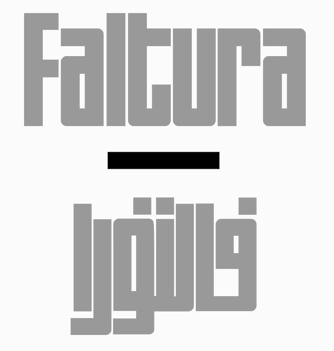
During her graphic design studies in Cairo, Egypt, Nada Hassan created the modular typeface Arabic Faltura (2013). [Google] [More] ⦿ | |
Cairo, Egypt-based designer of the display typeface Marrow (2017). [Google] [More] ⦿ | |
Cairo, Egypt-based designer of the geometric Arabic typeface Pentanad (2014), which was a school project at American University in Cairo. [Google] [More] ⦿ | |
Cairo, Egypt-based designer of the Arabic typeface Tarboush El Ersh (2017) and the minimalist Latin typeface Not Quite (2017). [Google] [More] ⦿ | |
During her studies at German University in Cairo, Nadaa Aniis designed the modular Latin typeface Bryan (2018). [Google] [More] ⦿ | |
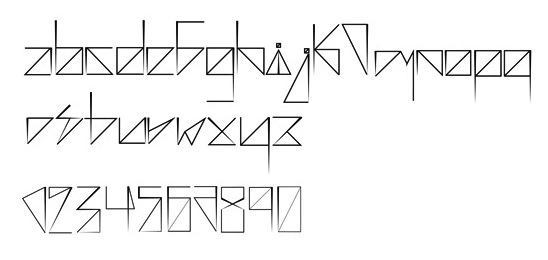
Cairo-based designer of the octagonal Latin typeface Modular (2012) and of the triangle-themed stick font Extremity (2013). [Google] [More] ⦿ | |
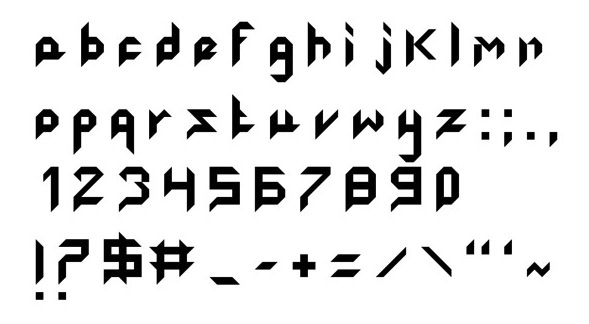
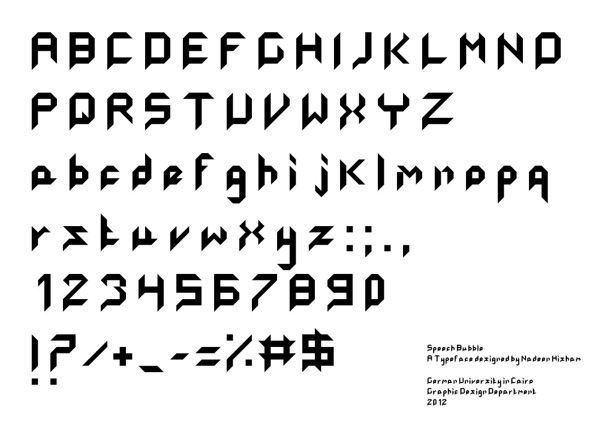
Cairo-based designer of the school project typeface Majoram Arabic (2013, avant-garde and circle-based), Extremity (2013, squarish), Speech Bubble (2013, modular), Neo Kufic (2013, squarish Arabic). [Google] [More] ⦿ | |
Cairo, Egypt-based designer of Contemporary Kufic (2017). Home page. [Google] [More] ⦿ | |
Cairo, Egypt-based designer, at German University, of the handcrafted typeface Amelie (2018) and the Arabic typeface Mr. Robot (2018). [Google] [More] ⦿ | |
Communication Design student at Parsons the New School for Design in NYC in 2013. Creator of the Bauhaus (piano key) stencil typeface Haeckel (2013, Friday Fonts), which was named after the German naturalist, philosopher, biologist and artist Ernst Haeckel, who promoted the idea of structure and symmetry in marine organisms and nature. She also created the experimental typeface Eliminated (2013). [Google] [More] ⦿ | |
During her studies at IED in Firenze, Nagla Gaafar, who hails from Cairo, created a poster typeface called Fiesole (2013). [Google] [More] ⦿ | |
Her typefaces include:
Type Together link. [Google] [More] ⦿ | |
Egyptian designer (b. 1989) of the circle-themed Latin typeface Armelle (2021). [Google] [More] ⦿ | |
Cairo, Egypt-based designer of an experimental subtractive Latin typeface called Incomplete (2013). It was part of a project at the German University in Cairo. She also created the Arabic compass-and-ruler typefaces Al Dababa (2014) and Coco (2014). [Google] [More] ⦿ | |
During her studies in Cairo, Egypt, Nathalie Seferian designed an Arabic font (2015). [Google] [More] ⦿ | |
Alexandria, Egypt-based designer of an Arabic display typeface in 2015. [Google] [More] ⦿ | |
Based in Cairo, Nayera Ezzal Din Abesteit created an Arabic typeface using compass and ruler in 2013. In 2014, she published a condensed Latin/Arabic typeface called Tall. [Google] [More] ⦿ | |
Student at American University in Cairo in 2014-2015. In 2014, she created the Arabic typeface Pacman. Currently based in Alexandria, [Google] [More] ⦿ | |
Graphic designer in Cairo, who created an Arabic typeface in 2012. [Google] [More] ⦿ | |
During her studies in Cairo, Egypt, Noha Morgan (or Noha Elsayed) designed the tall condensed display sans typeface Succinct (2016). Later, she published the ultra-condensed sans typeface Slender (2019) and the blocky experimental Arabic / Latin typeface FASA (2019). [Google] [More] ⦿ | |
| |
Nohamad Foda
| |
Madinaty, Egypt-based designer of a squarish Latin typeface in 2018. [Google] [More] ⦿ | |
Cairo-based designer of an Arabic Tetris-inspired typeface (2014). [Google] [More] ⦿ | |
During her studies in Cairo, Nora Khorshid designed Metropolis (2015). [Google] [More] ⦿ | |
During her graphic design studies at German University in Cairo, Egypt, Norhan Gevara designed the decorative typeface Rounds (2017) and the Arabic typeface Nabd (2017). [Google] [More] ⦿ | |
| |
Nour El Shamy
| |
During her graphic design studies in Cairo, Nour El Demerdash created the geometric Arabic typeface Gawhara (2015). Behance link. [Google] [More] ⦿ | |
Graphic designer in Cairo who designed the experimental multiline typeface Interlaced (2017). [Google] [More] ⦿ | |
Cairo, Egypt-based designer of the Arabic lava lamp typeface Zalat (2018) and the experiumental Latin typeface In And Out (2016). [Google] [More] ⦿ | |
Tanta, Egypt-based designer of a set of hospital icons in 2018. [Google] [More] ⦿ | |
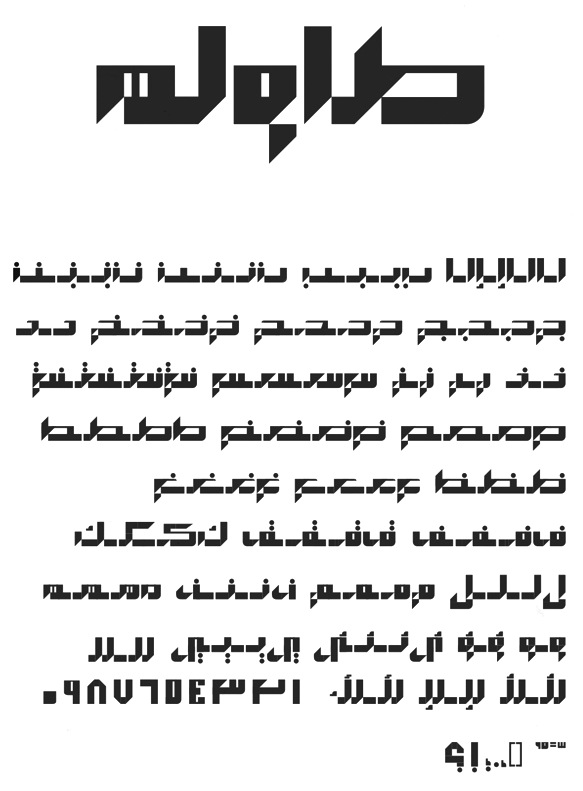
Designer in Cairo who created the techno typeface Tawla for Arabic in 2012. [Google] [More] ⦿ | |
During his studies at The American University in Cairo, Egypt, Omnia Mohamed created a geometric hairline Arabic typeface in 2014. [Google] [More] ⦿ | |
Al Minya, Egypt-based designer of the Arabic typefaces Ahmed (2015) and Ussef (2015). [Google] [More] ⦿ | |
| |
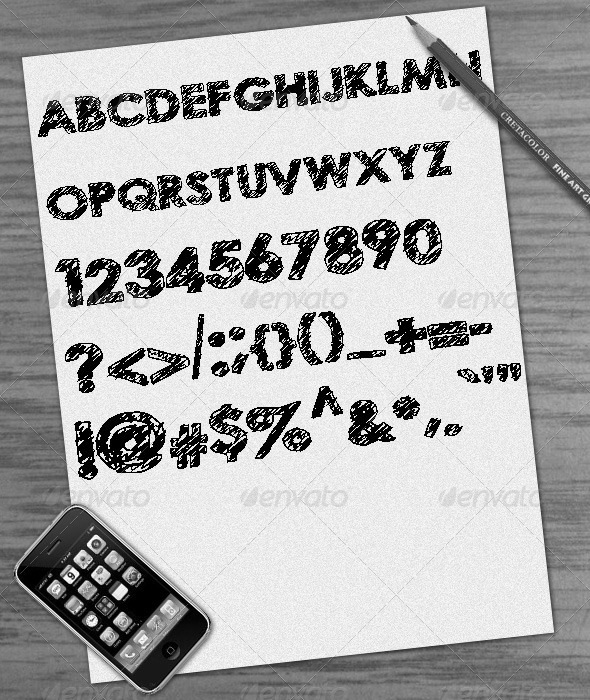
Cairo, Egypt-based designer of Scribble Font (2011, a sketch typeface for Latin). Home page. Graphicriver link. [Google] [More] ⦿ | |
At the German University of Cairo, Passant El-Koury designed a carefully crafted circle-and-compass Arabic typeface in 2017. She alsso created Khan El Khalili pictograms in 2017. [Google] [More] ⦿ | |
Ismailia, Egypt-based designer of the Victorian typefaces Black Scava (2017) and Black Cupio (2017) and the psychedelic layered font Easy Way (2017). [Google] [More] ⦿ | |
Protype
|
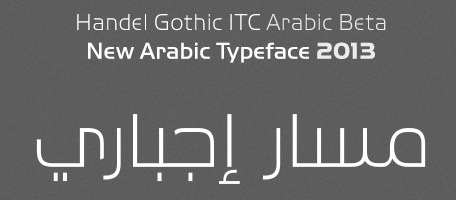
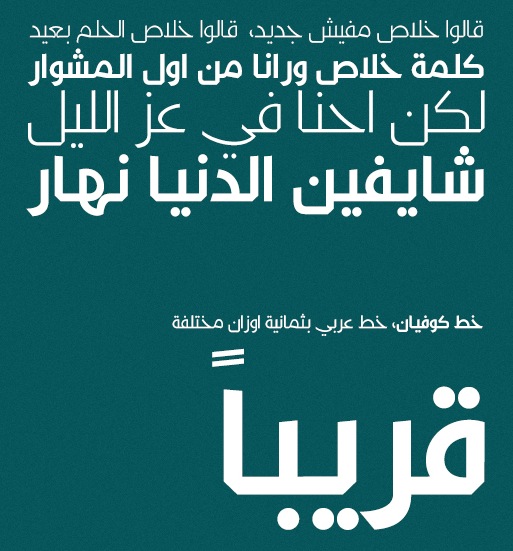
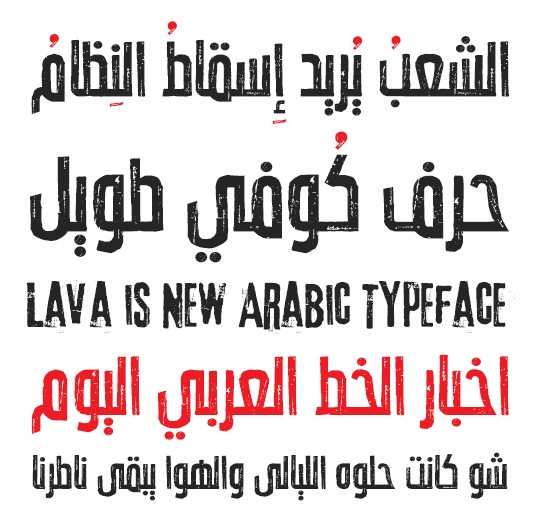
In 2012, he designed the Solutions Next Arabic type family. Still in 2016, he co-designed Air Strip Arabic with Abdullah Aref (who programmed the fonts). Handel Gothic ITC Arabic is promised for 2013. Zakariya Saleh and Ibrahim Hamdi co-designed Kufiyan Arabic (2012). Typefaces from 2013: Lava Arabic [the Latin letters were made by Bumbayo; help by Abdullah Aref], which was followed in 2019 by Lava Pro and Lavah Pro (published by Protype). Typefaces from 2021: Siwa (a 9-style rounded Latin / Arabic (+Persian, +Urdu) typeface family by Abdo Mohamed and Ibrahim Hamdi), Eskander (a 7-style font family for Arabic). |
Protype (or: Boharat Cairo)
|
Typefaces from 2021: Zaatar (a mixture of Arabic Ruqah and Nastaliq), Felfel (an Arabic Ruq'ah style font influenced by the visual identity of Egyptian streets), Siwa (a 9-style rounded Latin / Arabic (+Persian, +Urdu) typeface family by Abdo Mohamed and Ibrahim Hamdi). Typefaces from 2022: Felfel Arabic, Zaatar Arabic (with Tawfiq Aldawi). [Google] [MyFonts] [More] ⦿ |
Alexandria, Egypt-based creator of the organic sans face Typofluffy (2011). [Google] [More] ⦿ | |
During her studies, New Cairo, Egypt-based Randa Ashraf designed the Arabic typeface Samir Sbot (2018) and the blackboard bold Latin typeface Harvard (2018). [Google] [More] ⦿ | |
Cairo, Egypt-based designer of the bold kufi style Arabic typeface Dekham (2019). [Google] [More] ⦿ | |
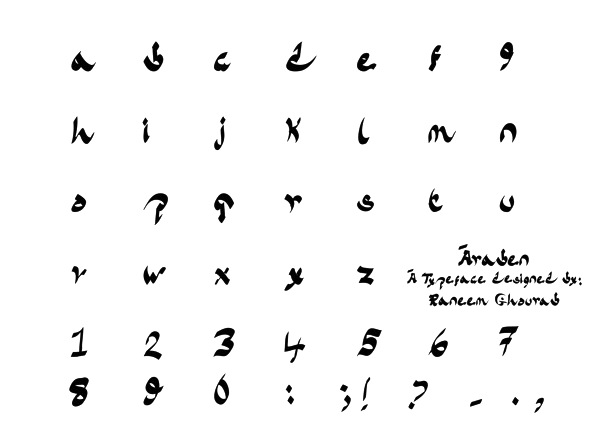
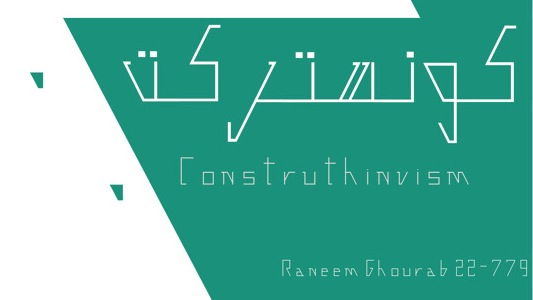
During her studies at the German University in Cairo, Raneem Ghourab created several typefaces such as Araben (2013, an Arabic simulation typeface with a brushy feel), Yadour (2013, Arabic) and Construct (2013, a Latin/Arabic techno face). [Google] [More] ⦿ | |
As a student in Al Haram, Egypt, Rawan Yassin designed Takseer (2017: an Arabic typeface) and Moods (2015: a Latin typeface). [Google] [More] ⦿ | |
Cairo-based designer of the Arabic typeface Areek (2016). [Google] [More] ⦿ | |
During his studies in Cairo, Rehab Ayman designed the display typeface The Red Queen (2018). [Google] [More] ⦿ | |
During her studies at the German University in Cairo, Egypt, Roba Amr designed the informal typeface Tinhard (2018). [Google] [More] ⦿ | |
At German University in Cairo, Rola Ehab designed a squarish typeface (2018). [Google] [More] ⦿ | |
During her studies at the American University in Cairo, Egypt, Roudaina Kabesh created the experimental Arabic typeface Altra Rafee 3 (2014). [Google] [More] ⦿ | |
Cairo, Egypt-based designer of Chromatic Ring Font (2014), a graph-inspired connect-the-dots type. [Google] [More] ⦿ | |
Cairo, Egypt-based designer of SH1949 (2013, an octagonal FontStruct font), Nasfi (2015, an Arabic font designed for TV) and Circtor (2014, a connect-the-dots typeface). Circtor and SH1949 were projects at the German University in Cairo. [Google] [More] ⦿ | |
Alexandria, Egypt-based designer of an Arabic typeface for a school project in 2016. [Google] [More] ⦿ | |
At Badr University in Cairo, Moqattam, Egypt-based Salma Ahmed designed an experimental hexagonal Arabic typeface (2018). [Google] [More] ⦿ | |
During her studies in Cairo, Egypt, Salma Ali designed the bubblegum Arabic typeface Boklz (2018). [Google] [More] ⦿ | |
Cairo, Egypt-based designer of the Arabic typeface Safroot (2015). In 2015, she created the multiline tuxedoed art deco typeface Steps for a course project. [Google] [More] ⦿ | |
Egyptian designer of a display typeface called Harry Potter (2018). In 2018, she designed the rounded Arabic typeface Ibn Hamido. [Google] [More] ⦿ | |
At the German University in Cairo, Egypt, Salma Haggag designed the Latin display typeface Icarus (2018) and the Arabic typeface Laila (2018: based on the Egyptian TV series character Laila from Tareeqi). [Google] [More] ⦿ | |
Cairo, Egypt-based designer of the thin modular typeface Angry Feminist (2017). [Google] [More] ⦿ | |
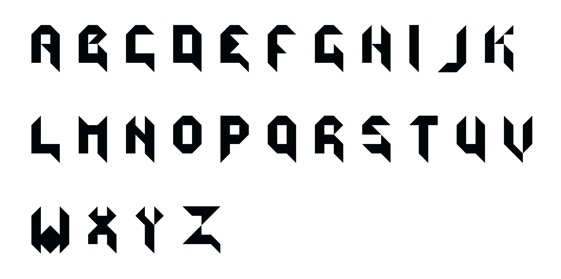
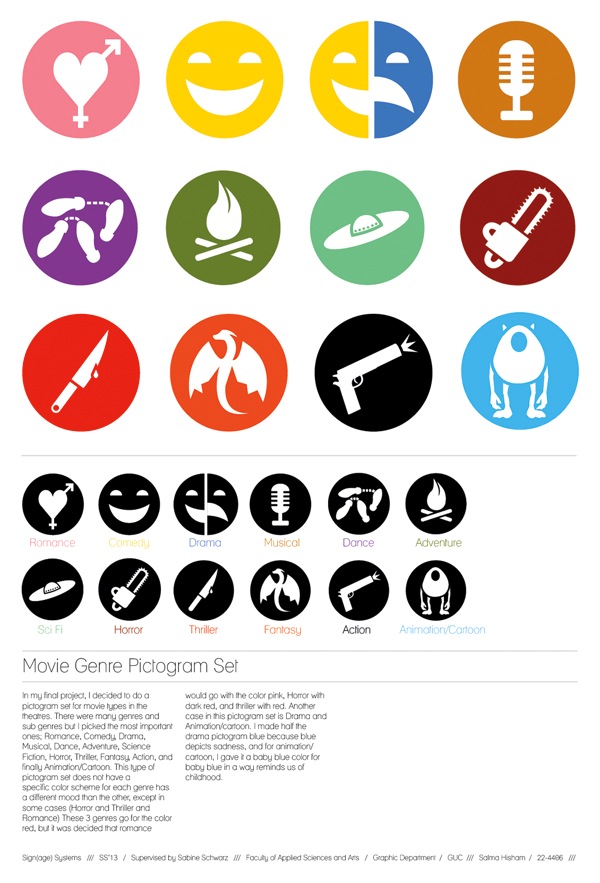
Salma Hisham Aggour (Cairo, Egypt) created the Latin typeface Punk Plan and Movie Genre Pictograms during her graphic design studies in 2013 under the supervision of Sabine Schwarz at the German University in Cairo. [Google] [More] ⦿ | |
Graphic designer in Cairo who created the elegant display typeface Melinda and the Arabic typeface Gawaher in 2018. [Google] [More] ⦿ | |
| |
Cairo-based graphic designer who created an unnamed Arabic typeface in 2013. [Google] [More] ⦿ | |
During her studies at the German University in Cairo, Sara Marzouk created the Arabic typeface Nawafez (2015). [Google] [More] ⦿ | |
| |
| |
| |
Cairo-based creator of an untitled Arabic typeface in 2013. [Google] [More] ⦿ | |
| |
During her studies at the German University in Cairo, Egypt, Sarah Ihab El Tahtawi designed the Arabic typeface Demaa (2014) and the Latin paperclip / neon tube typeface Tineous (2014). At FontStruct, she experimented with modular typeface design. These typefaces include the circle-based Shielo (2014), Shiet (2014, an octagonal / origami typeface). [Google] [More] ⦿ | |
| |
Cairo-based designer of the Arabic typeface Hola Hoop (2014). [Google] [More] ⦿ | |
Cairo, Egypt-based designer of an Arabic typeface in 2017. [Google] [More] ⦿ | |
Cairo, Egypt-based designer of the bold typeface Black Widow (2018). [Google] [More] ⦿ | |
Type designer in Cairo, Egypt, who co-founded the Arabic type design collective Heheh Type in 2020 together with Nour El Shamy and Manuel von Gebhardi in 2020. [Google] [More] ⦿ | |
Cairo-based designer of an Arabic display typeface in 2016. In another part of her research, she published a fascinating set of icons called Cymatics (2016: Cymatics is the science of visualizing audio frequencies). [Google] [More] ⦿ | |
During his studies in Cairo, Egypt, Shahenda Bahgat designed the rounded sans (Latin) typeface Orbicular (2016). [Google] [More] ⦿ | |
Cairo Egypt-based designer of the Arabic typeface Kasra (2015). [Google] [More] ⦿ | |
At the Amrican University in Cairo, Egypt, Shahira El Zorba designed a squarish kufi Arabic typeface in 2016. [Google] [More] ⦿ | |
Cairo, Egypt-based designer of the minimalist Arabic typeface Bethra (2017). [Google] [More] ⦿ | |
Digital artist from Cairo who made Psycho Typo (2011), a calligraphic Arabic lettering piece. [Google] [More] ⦿ | |
Graphic designer in Cairo, Egypt who created the squarish experimental typeface Mukaab (2017). [Google] [More] ⦿ | |
Inspired by the movie Edward Scissorhands (1990), and Fontdiner Swanky (1996, Stuart Sandler), Sherine Abouelmagd designed a Latin display typeface and the great Arabic typeface Sherif ElKordy in 2018 during her studies at German University in Cairo. [Google] [More] ⦿ | |
During his studies in Cairo, Shoriouk Saleh created the ornamental typeface Enigma (2013). [Google] [More] ⦿ | |
Cairo, Egypt-based designer of the Latin / Arabic typeface Mothalathany (2017), which is composed of thin acute triangles, with Ugaritic influences. [Google] [More] ⦿ | |
During her graphic design studies in Cairo, Soha Sameh designed the Arabic typeface Al Mozhar (2017) and Natives (2015), a Latin hipster sans based on Century Gothic. [Google] [More] ⦿ | |
Cairo, Egypt-based designer of a triangular Arabic typeface (2014). [Google] [More] ⦿ | |
During her studies at German University in Cairo, Egypt, Sondos Orkhan designed Bedaya (2017, an Arabic typeface) and Quera (2017, for Latin). [Google] [More] ⦿ | |
Sughayer Foundry
| Or Soug Hayar. Or Amin Sughayer. Or Amin Ibraheem. Egyptian creator of the free font series Felicitation Arabic Ramadan (2015), Felicitation Arabic Feasts (2015), Old Mosaic (2015), Amin Sina (2015), Aayat Quraan (2014), My-Font-Quraan1 (2014), Vintage Decorative Signs (2014), Vintage Panels (2014), Vintage Frames (2014), Vintage Elements (2014), Sughayer Separates (2014), Vintage Borders (2014), Vintage Decorative Corners (2014). Fontspace link. Home page. [Google] [More] ⦿ |
Tasmeem
| Tasmeem is an entire Arabic typesetting package integrated within Adobe's InDesign. This Adobe product returns to the beautiful Arabic typography, and is a big step forward, in my view. It includes two new font sets, Emiri and Naskh. Emiri is a revival of the typeface of the Emeeriyyah printing house in Cairo. Adobe's plug: With this typeface it is possible to create Unicode-based searchable Koran text with the familiar appearance of todays printed editions. Tasmeems shaping and spacing controls makes Emiri particularly effective for literary and creative productions. Please note that this font can only be used in Tasmeem. The last sentence is ominous and perhaps a first step towards a new trend---fonts that can only be used in one product. They won't sell you a Mercedes radio if you won't buy a Mercedes. The Nasqh font, in contrast, can be had for 200 dollars. Thomas Milo of DecoType ACE explains: Tasmeem is not from Adobe as such, but Adobe InDesign ME with a DecoType ACE-based user interface plugin, made by WinSoft. Naskh is made by me and Mirjam Somers, my partner. Emiri is made by Mirjam Somers and me.<.i> New Tasmeem developments, all be DecoType ACE: Nassim Alef by Titus Nemeth, Qarandash Beh by Mirjam Somers, Mehdi by Saad Abulhab, Ruqah. Blogroll on Tasmeem. [Google] [More] ⦿ |
Helwan, Egypt-based designer of the free slabby display typeface Rana (2017). Behance link. [Google] [More] ⦿ | |
Tharwat Emara Thuluth
| Egyptian designer (b. 1972) of the calligraphic Arabic typefaces Naskh (2017), Modern (2017, for signage), Ruqaa (2017) and Thuluth (2017), and the royal Naskh font Dewani (2017). In 2018, Tharwat designed Almona Dewany (an interlocking Arabic typeface usedful for official graduation certificates, certificates of appreciation and decorations), Almona Ornament (a religious font), Almona Thuluth (calligrahic, for Latin, Farsi, Urdu and Arabic), Al Thuluth, Osama Modern, Ahmed New (for Arabic, Urdu, Farsi and Latin) and Dr Mohammed and Sara. Typefaces from 2019: TE Aldewan, TE Alkhatat, TE Start2, Alruqaa TE, TE Start1, TE Poster, TE Banner, TE Sarah, TE Heading, Alnaskh Quraan, Tharwat Emara Thuluth Golden 2, Thulth Tharwat Emara Golden. Typefaces from 2020: TE Aldwawin (Diwani calligraphy), TE Nastaaliq , Te Reqaa Gold, Sara Tharwat Emara Modern. Typefaces from 2021: TE Fantasy, TE Cathrine, TE Cathrine 2, TE Classic Tharwat Emara, TE Rekaah3, TE Rekaah (Arabic), TE Rekaah 2 , TE HAFS (a Naskh Font for writing the Holy Quran by Raweya Hafs). [Google] [MyFonts] [More] ⦿ |
Tharwat Mohamed Emara
| |
Thomas Milo
| |
Thomas Milo
| |
Typographies.fr
|
|
Egyptian graphic designer who created a basic Arabic typeface in 2012. [Google] [More] ⦿ | |
Cairo, Egypt-based designer of The Mask (2018), which is named after the 1994 movie. [Google] [More] ⦿ | |
Cairo, Egypt-based designer of the Arabic typeface Flow (2017). [Google] [More] ⦿ | |
Nuba, Egypt-based graphic designer, who created an Arabic typeface in 2014. [Google] [More] ⦿ | |
Designer of a Latin display typeface as part of her requirements at the Cairo Ad School in 2017. [Google] [More] ⦿ | |
Cairo-based designer of the avant-garde Latin / Arabic sans typeface Arual (2013) and of the Arabic typeface Kutting Edge (2013). She also made a series of icons called Slurp (2013). [Google] [More] ⦿ | |
Student in Cairo who created the modular Arabic typeface Arabis (2012) by starting from Latin shapes. [Google] [More] ⦿ | |
During his graphic design studies in Cairo, Yasser Sabry created the art deco Arabic typeface Retro (2014). [Google] [More] ⦿ | |
During her studies at the German University in Cairo, Yassmin Shalby (Giza, Egypt) created DIN Arabic (2013) and Shalbino (2013, Arabic typeface). [Google] [More] ⦿ | |
During her studies at German University in Cairo, Egypt, Yomna Aly designed a font dedicated to Kevin McAllister (2018). [Google] [More] ⦿ | |
As a student at GUC in Cairo, Egypt, Yomna Yashaat designed the pixelish typeface Block Pacman (2016, for Latin) and a matching Arabic pixel typeface (2016). [Google] [More] ⦿ | |
Graphic designer in Cairo who created the Mokabat typeface for Arabic in 2015. [Google] [More] ⦿ | |
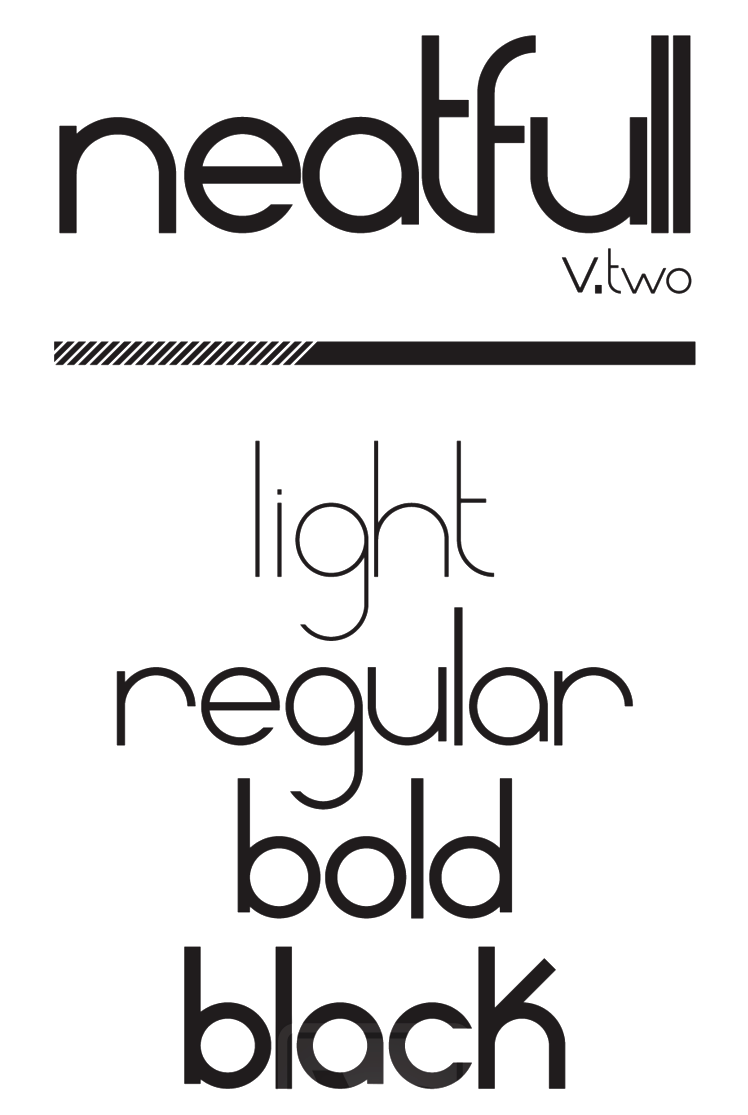
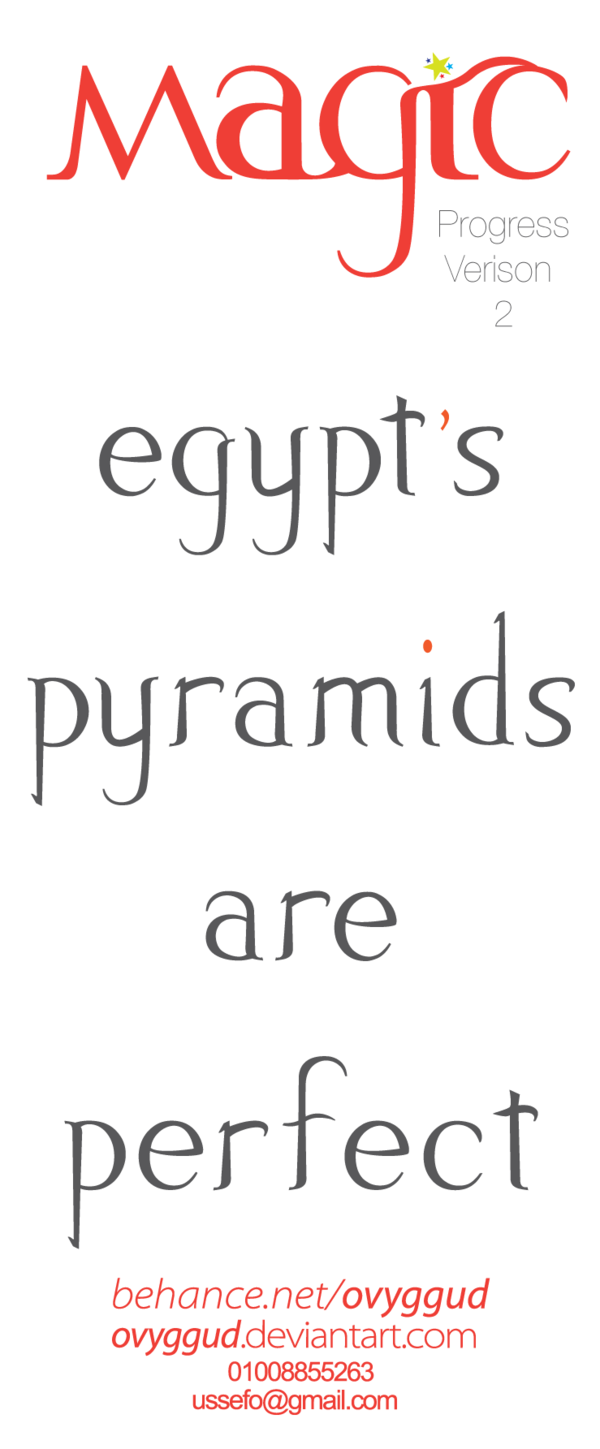
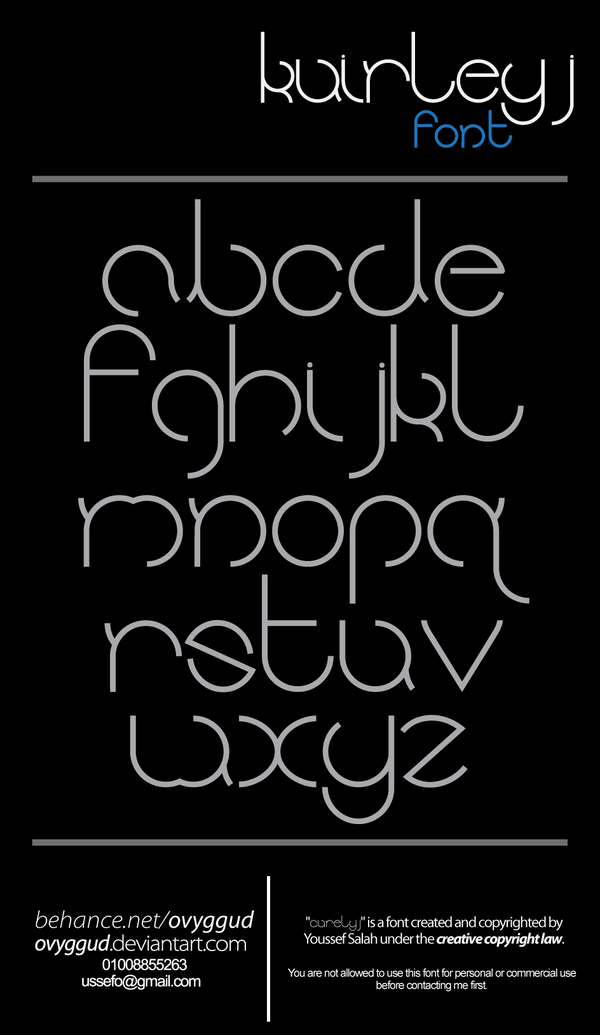
Cairo-based creator of the rounded techno typeface Truglaroll (2012). He also made Neatfull (2012), Magic Serif (2012) and Kuirly J (2012, an arc-based typeface). Behance link. Devian Tart link. [Google] [More] ⦿ | |
Cairo, Egypt-based designer of the Latin / Arabic typeface Tayf (2017). [Google] [More] ⦿ | |
Zaza Type
| Ahmed Zaza was born in Egypt. While completing his Bachelor's degree in architecture, he studied graphic design, type design, and branding. He also worked as a freelance graphic designer with a focus on brand designing for startups in the Middle East. In 2020, he released the high-contrast modern Arabic typeface Iwan Zaza. In 2021, he released the Arabic typefaces Simah, Orleen (a modern kufic Arabic font family), Lina Round, Lina Sans and Lina Soft. Typefaces from 2022: Laureen Zaza (8 styles). [Google] [MyFonts] [More] ⦿ |

 Abdulsamie Rajab Salem (b. 1968), the founder of Abdo Fonts, published many typefaces from 1998 until 2000 under the name Future Soft. In 2000 he created these Arabic fonts: FS_Abdo, FS_Africa, FS_Ahram, FS_Alex, FS_Alex142, FS_Alex7471, FS_Arabic, FS_Bold, FS_Egypt, FS_Free, FS_Graphic, FS_India, FS_Japan (oriental simulation face), FS_Jet, FS_Lotas, FS_Metal, FS_Nice, FS_Old, FS_Point, FS_Rajab, FS_Rope, FS_Salem, FS_Shadow, FS_Wood. They can be downloaded
  Port Said, Egypt-based designer of the free Arabic typeface Air Strip Arabic (2012, together with Ibrahim Hamdi). For
  [
[ [
[ Cairo, Egypt-based designer, who hails from Surakarta, Indonesia, b. 1996. Akufadhl, or Fadhl Waliy Haqq, or Fadhl Waliy Ul Haqq, started Alternatype, then Akutype, then Akufadhl, and finally
  Cairo, Egypt-based designer of the Latin curly didone typeface Straight Curls (2015). [
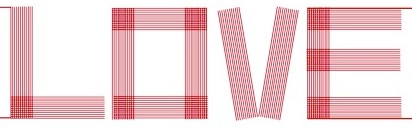 During her studies in Cairo, Egypt, Carina Kamel created the cross-hatching Latin typeface
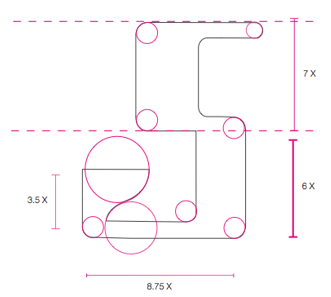 Graphic designer in Cairo, who created the Arabic typeface
  Banha, Egypt-based designer of these typefaces in 2019:
  [
[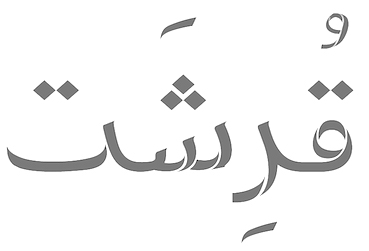 Cairo, Egypt-based student-designer of the
 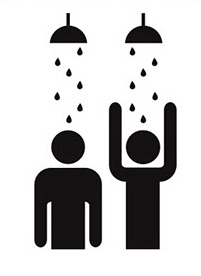 Cairo-based artist. Creator of Brink (2014), a Latin typeface that was designed for a water recycling campaign. In 2016, she designed the circle-based Arabic typeface Seen. Also a talented illustrator, she created, e.g., Daily Routine Pictogram (2016). [
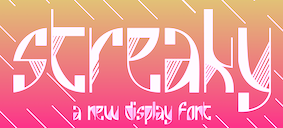 Cairo, Egypt-based designer of the neo deco typeface Streaky (2017) and the Arabic typeface Heisa (2017). [
 [
[ [
[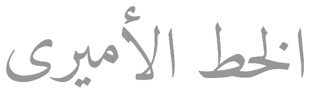 Khaled Hosny is a physician in Egypt. He loves Arabic and its type, and is interested in every aspect of letter forms and typography. A hobbyist translator, programmer and font developer, he supports software freedom and is actively participating in the free software community.
 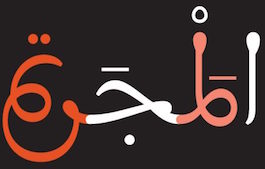 Cairo, Egypt and/or Beirut, Lebanon-based designer of the Arabic student project typeface
 Egyptian (not slab serif!) and hieroglyphic typefaces by Manfred include AncientBats, Egypt, EgyptAxt, EgyptChildren, EgyptHieros, EgyptMythOne, EgyptSilhous, EgyptianSilhouettes, EgyptianSilhouettes, EgyptianSilhouettes, Egypticons, EgypticonsToday, EuroGyptians, HelloCleoPetra, HelloMrPharao, HierobatsSketches, KL1-Pharaos, KL1-PharaosTwo, OldEgyptGlyphs, OldEgyptOne, OldEgyptTwo, PhaistosAlphabet, PhaistosFingers, PhaistosToday, VisitTheNil.
  Type designer from Leipzig, Germany who studied Studied Graphic Design at the Burg Giebichenstein University of Art and Design in Halle and one year at the Gerrit Rietveld Academy in Amsterdam. He graduated from the
 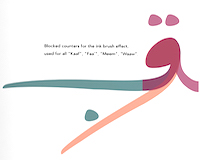 Or Maram Hossam Ahmed. Cairo, Egypt-based designer of the Arabic typeface Lueur (2016). Lueur is inspired by the Sudanese culture. [
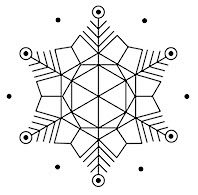 At the German University in Cairo, Egypt, Marina Maged designer a few snowflakes, the Latin typeface Cypher (2017), and the experimental Arabic typeface Eswed (2017). [
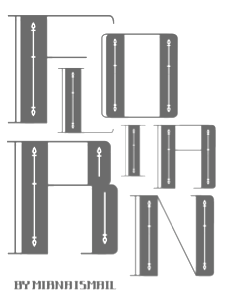 Cairo-based creator of the display typeface Florian (2014), which was finished as a school project.
 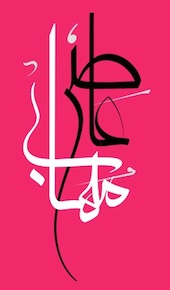 Sadat City, Egypt-based designer of the
 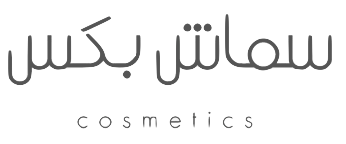 Cairo-based designer of
 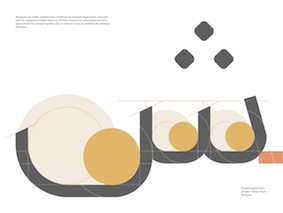 Alexandria, Egypt and Stockholm, Sweden, and Riga, Latvia-based creator of these Arabic typefaces in 2022: Anteeqa.
 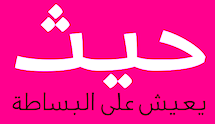 Najla Badran is an independent typeface designer, researcher and instructor based in Egypt. She holds a BA in Graphic Design from the German University in Cairo, an MA in Typeface Design from the University of Reading, UK, class of 2015. She is currently pursuing her PhD on Diacritics in the Arabic script and typography at the University of Reading. Najla has been teaching type design and typography since 2015 and holds Arabic lettering and typography workshops. She is interested in Arabic revival typefaces and inspiring modern Arabic typefaces from calligraphy.
 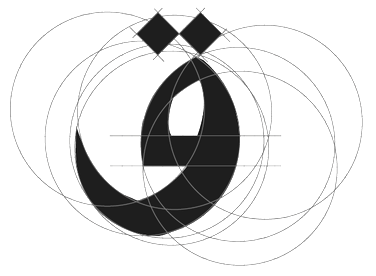 Egyptian font designer. [
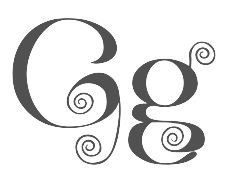 Cairo, Egypt-based designer of the curly almost Victorian style Latin typeface Esmeralda (2019). [
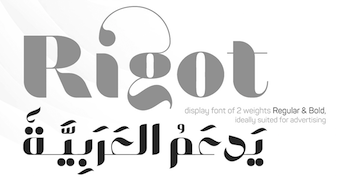 [
[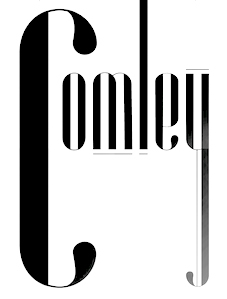 Egyptian designer of the condensed Latin typeface Comley (2017). [
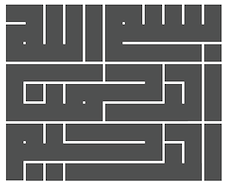 Cairo, Egypt-based designer of several nice Arabic typographic posters in 2015. In 2017, he designed the
 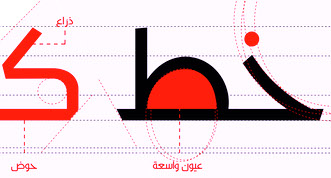 Egyptian type designer in Alexandria who made the commercial typeface
  During her graphic design studies in Cairo, Sara Elsayaad created
  Cairo-based designer of the circular arc typeface
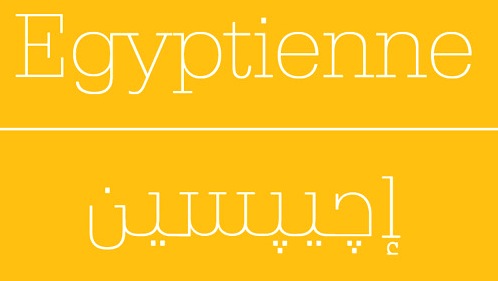
 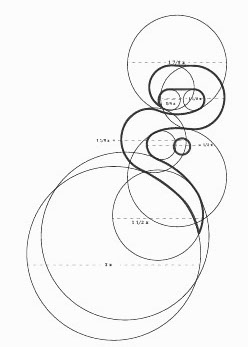 Graphic designer in Cairo, Egypt, who created an Arabic Egyptienne and a Maghribi-inspired Arabic typeface Shams in 2015. [
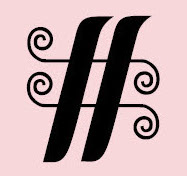 During her studies at German University in Cairo, Sarah Ahmed designed the curly hyper-Victorian typeface Spiral (2018) and the curly Arabic typeface Belle (2018). [
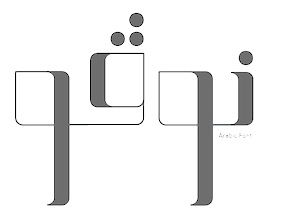 Cairo-based graphic designer who created a stylish Arabic display typeface called
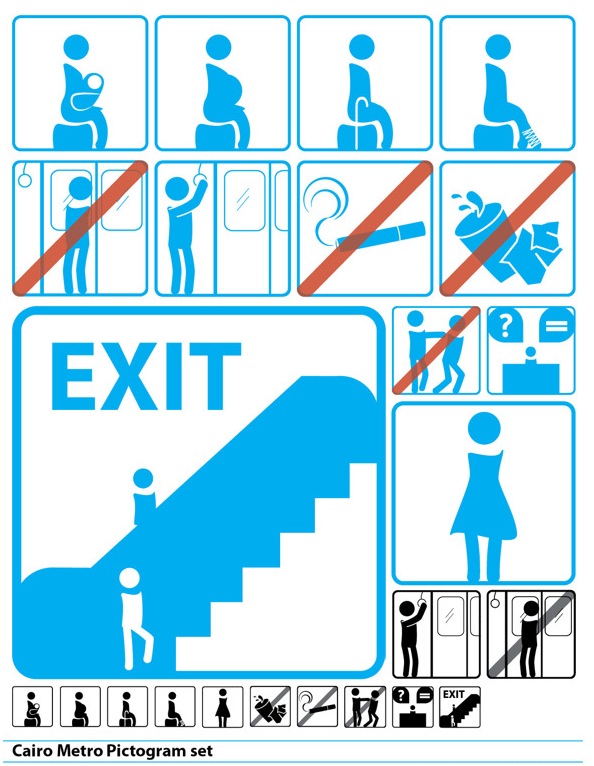
 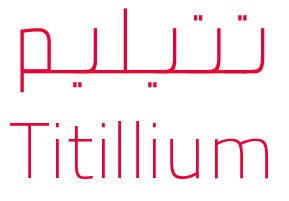 During her graphic design studies in Cairo, Sarah Mossallam created the blocky Arabic typeface Rozma (2014) and the DIN Pictogram Set (2013). In 2013, she created an Arabic extension of the Titillium font. [
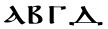 French foundry, est. 2008, by Jonathan Perez and Laurent Bourcellier. Graduates from the Ecole Estienne in Paris, they have made the following fonts: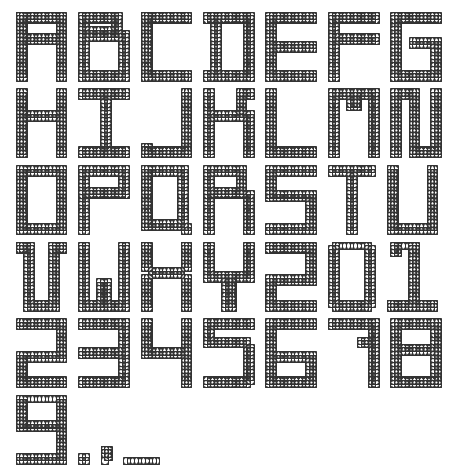



















|
|
|
|